
January an exceptionally angry month in two hemispheres, says the World Meteorological Organization
By the Climate Centre
In a special statement today, the WMO says “intense heat and fire, record-breaking cold and snow, devastating rainfall and flooding impacting countries in every region of the world” have made January a month of summer and winter extremes in the southern and northern hemispheres.
The importance of accurate forecasts and early warning has again highlighted by extreme weather that’s inflicted a heavy economic, environmental and human toll this month, the WMO adds.
WMO Secretary-General Celeste Saulo said today: “The number of people affected by weather- and climate-related disasters continues to rise, year by year, and the terrible human impacts of this have been apparent on a day-by-day basis this January.
“This is what drives us to expand and accelerate the Early Warnings For All initiative because disaster-related deaths are six times lower in countries with good early warning coverage.”
The WMO cites the two most recent studies by World Weather Attribution, of which the Climate Centre is a partner, both published this month, on how human-induced climate change influenced recent extreme heat and fire weather in Australia, and, combined with La Niña, the exceptionally heavy monsoon rainfall in Mozambique, South Africa, Zimbabwe and Eswatini.
*Mozambique was the country worst hit by floods, affecting at least 650,000 people, according to the authorities quoted by IFRC Secretary General Jagan Chapagain, and displacing hundreds of thousands; South Africa declared a national disaster on 18 January over torrential rains and floods that have killed at least 30 people.
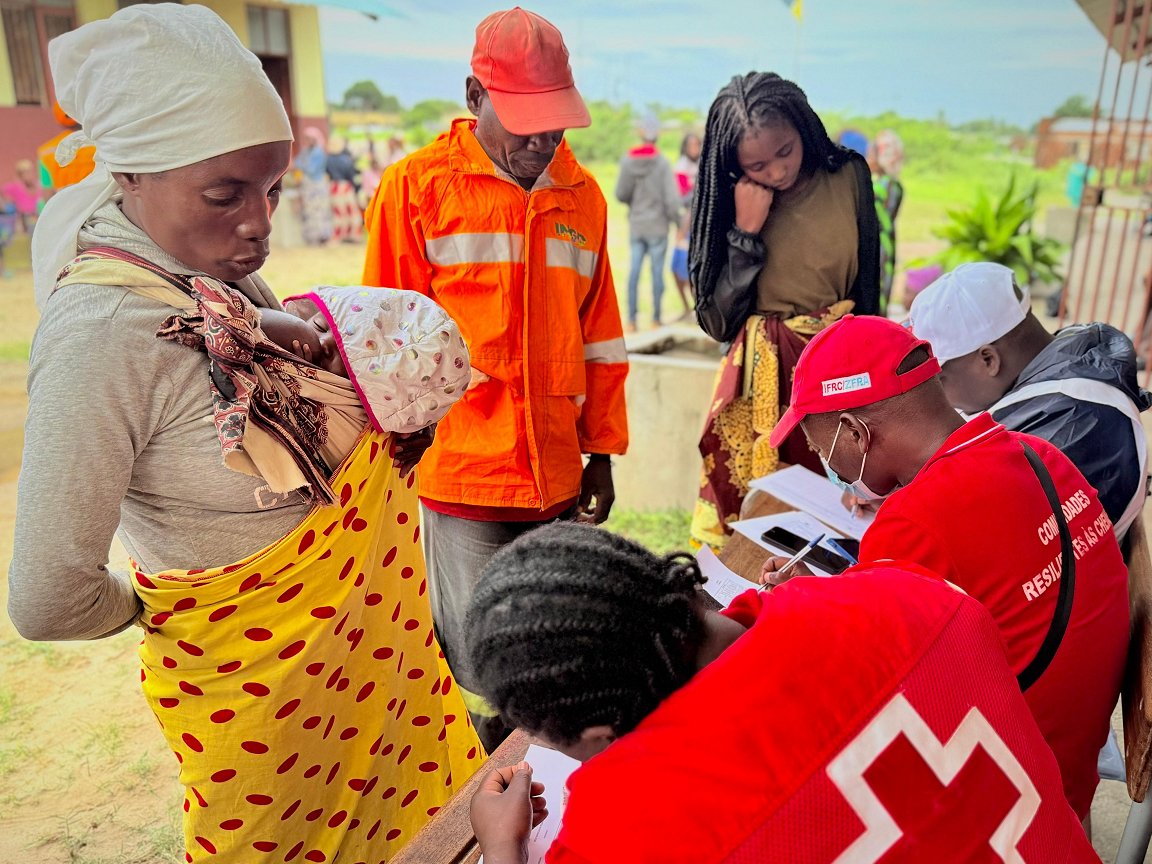
“Red Cross volunteers, many of them affected themselves, have been at the forefront of early warning messages, anticipatory action activities, evacuations, first aid and initial relief assistance,” Mr Chapagain added.
The Mozambique government had triggered anticipatory actions for floods in the Licungo river basin at the end of December, and organizations including the Mozambique Red Cross Society and WFP then supported anticipatory actions, including the evacuation of more than 5,000 people in one district of Zambezia province.
The first early action protocol to be activated for wildfire anywhere in the world
*Large parts of Australia were gripped by two heatwaves in January, with dangerous fire weather, ranked “high to extreme”, the result of a combination of heat and gusty winds.
In Chile, 75 wildfires broke out across Biobío and Ñuble regions, forcing tens of thousands of people to evacuate, while heat, drought and strong winds stoked devastating fires in Argentine Patagonia.
The Chilean Red Cross has now activated its early action protocol for wildfires – the first ever for this hazard worldwide.
*Over the past week a massive storm crossed much of Canada and the US, dumping snow, sleet and freezing rain and generating dangerous cold; Russia’s Kamchatka peninsula saw one of the snowiest periods since the 1970s.
The WMO quotes the IPCC saying that the frequency and intensity of cold extremes have decreased since 1950, and average winter temperatures have been rising, but scientists say one factor behind severe northern-hemisphere winter storms and cold snaps may be disruptions to the stratospheric polar vortex that may be linked to the rapid warming of the Arctic.
*Large parts of Europe saw back-to-back storms, with heavy precipitation, strong winds and mountainous seas in many countries from Ireland and the UK to Portugal, Spain and the entire Mediterranean region.
German forecasters this week issued a “climate watch advisory” for above-average precipitation in the next two weeks over Greenland, north-western and west Europe, and the Mediterranean region.
“This is what trusted local action looks like, and why it matters. We are local, everywhere,” said IFRC Secretary General Jagan Chapagain of this scene from the most recent anticipatory work by the Mozambique Red Cross, facing the worst floods of the current spell of extreme weather in south-east Africa. (Photo: CVM via X)