
Blog: Early warning for the growing heat-hazard and the social realities behind it
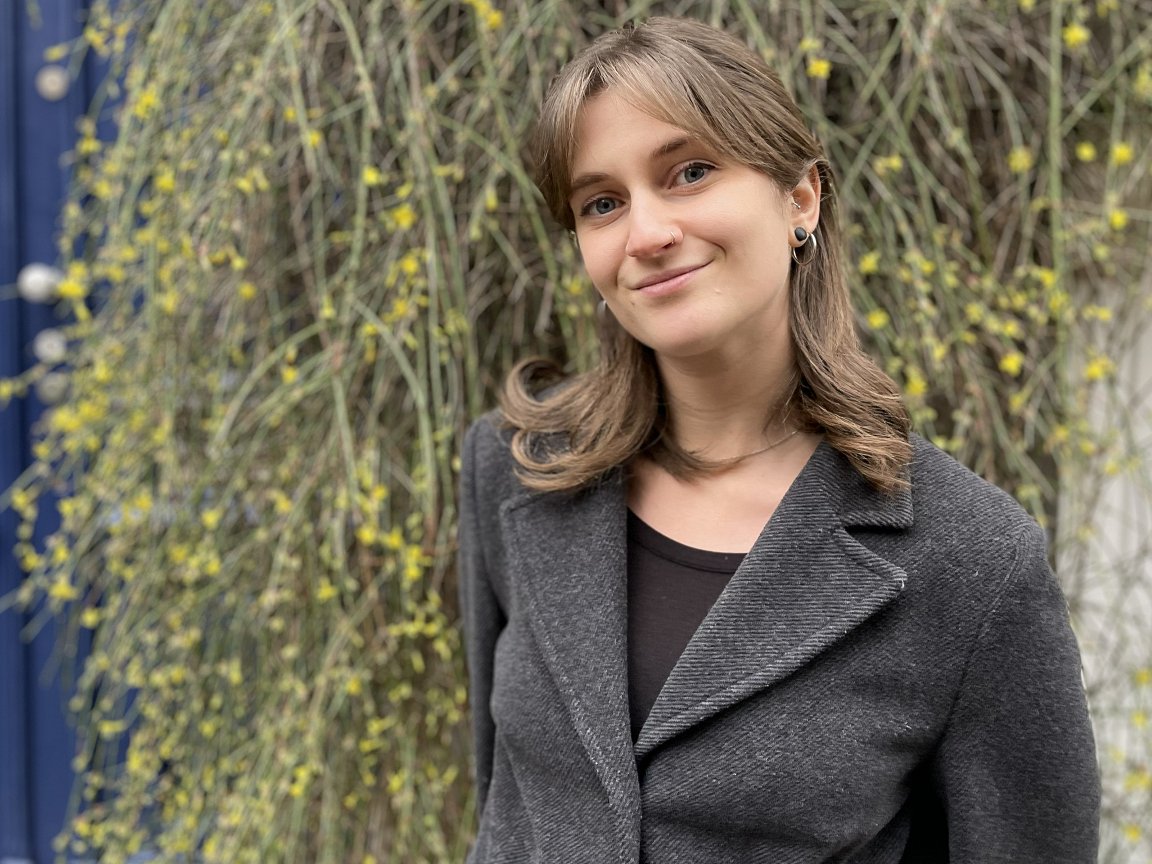
By Chiara Proietti
(Chiara Proietti interned with the Climate Centre between September 2025 and this month. She supported our engagement with the Zurich Climate Resilience Alliance by reviewing the state of early warning for the growing global hazard of extreme heat, including the design of protocols, analysing data, and helping to draft country case studies.)
Extreme-weather events often play out most intensely in cities, where high-density informal housing and unequal access to services influence who is most exposed and how much capacity to cope people have.
This complexity is one of the reasons I wanted to work with the Climate Centre’s urban team. Their focus on inclusive urban climate action and close engagement with local actors connected with my academic background, and my aspiration to understand urban vulnerability and contribute to efforts that strengthen the resilience of the communities most affected.
The core focus of my work was extreme heat, often described as a “silent killer”. Heatwaves are widespread yet often under-researched, under-reported, and poorly understood, despite causing significant health impacts, a loss of productivity, and wider social and economic disruption.
Social realities
During my internship, my role involved an extensive study of early warning systems for heat in Bangladesh, Jordan, Mexico, Nepal, Pakistan, the Philippines, Senegal, and Vietnam, to understand how extreme heat is perceived and managed in different climates and institutional contexts.
This work involved more than 30 interviews across continents, and engaging with meteorological services, Red Cross Red Crescent National Society teams, relief organizations and other researchers.
I learned not only about the technical aspects of forecasting and monitoring heat but also about the social realities that shape how warnings are communicated and acted upon.
I supported the qualitative analysis of the interviews, contributed to the eight country case studies, and worked on a report on the global picture in collaboration with the Zurich Climate Resilience Alliance.
Alongside these consultations, I reviewed the existing literature to place the interview findings within what’s currently known about the risks from heat and related early warning systems.
Independence and mentorship
One highlight of my internship was contributing to knowledge products supporting local organizations that are just beginning to prioritize heat as a significant hazard. These outputs aim to make it easier to understand what has worked elsewhere, what challenges to anticipate, and how lessons can be shared across borders.
But what made the internship most meaningful was the Climate Centre team: the working environment was positive, supportive, and genuinely collaborative, and everyone was committed to producing the best possible outputs, which made the experience especially motivating.
I was free to bring my own ideas and analytical approaches while relying on guidance when needed – a balance of independence and mentorship helped me grow quickly and confidently.
This internship really broadened my understanding of climate risk and urban resilience, and how early warning systems work in practice. It helped me strengthen my qualitative research skills and understand how global frameworks and technical guidance actually work locally.
I’m looking forward to building on what I learned with the Climate Centre as I continue working on climate adaptation and humanitarian risk governance.
(Photo of Chiara Proietti : Climate Centre)