
WDR 2026: Climate change, vaccine hesitancy, migration breeding grounds for harmful information
By the Climate Centre
The IFRC’s World Disasters Report 2026, published last Thursday, says “climate change, vaccine hesitancy and migration” are issues on which “harmful information thrives, crossing borders and … being reshaped by local contexts, narratives and political agendas.”
With many key international datasets showing an increasing trend in disasters that are affecting more people, more often, misinformation now risks undermining humanitarian action.
The report – subtitled Truth, Trust and Humanitarian Action in the Age of Harmful Information – adds that, amid “record-breaking climate extremes, a growing number of disasters and emergencies, and shrinking humanitarian budgets, the imperative to act to prepare before crises strike has never been more critical.
“But today’s emergencies are not only physical – they are also informational. Harmful information can amplify fear, erode trust and disrupt preparedness and response efforts.”
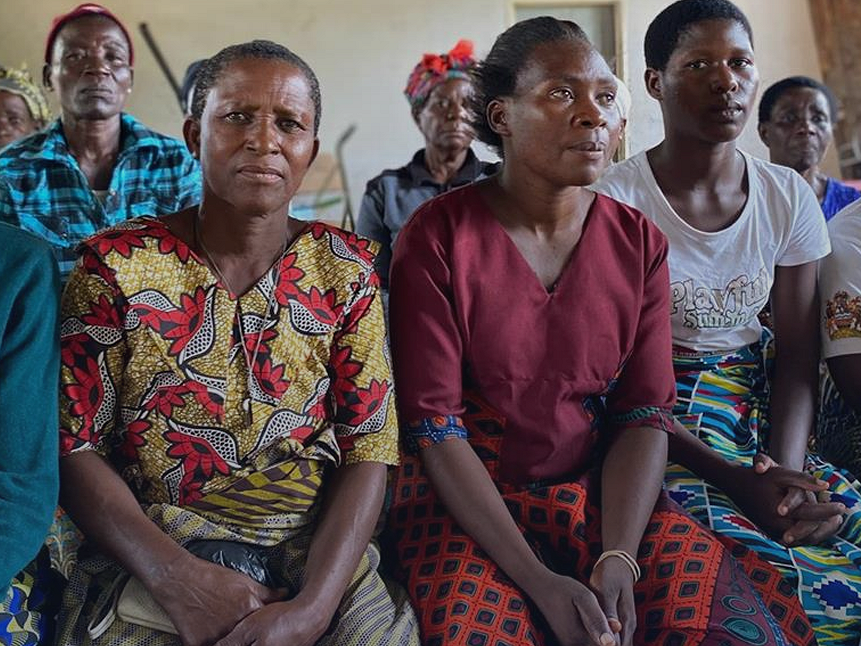
One important alternative, it argues, citing a 2024 case study in Malawi’s Nsanje and Phalombe districts (pictured), is “community engagement [that] is central to how climate change information is shared, trusted and acted on.”
The Malawi example built on existing community networks such as women’s groups, youth clubs and local committees that combine scientific forecasts with indigenous knowledge.
“We use the Department of Climate Change and Meteorology Services for seasonal forecasts, but committees say things like ‘the hippopotamus was walking from the river to the community,’ meaning it smells a flood. So the community relies more on indigenous information than on scientific forecasts,” one local organizer told researchers.
WDR 2026 emphasizes that trust has become one of the most critical, and fragile, assets in humanitarian action.
‘Maintaining trust is not optional – it’s a humanitarian necessity’
IFRC Secretary General Jagan Chapagain said: “In every crisis I have witnessed, information is as essential as food, water and shelter. But when information is false, misleading or deliberately manipulated, it can deepen fear, obstruct humanitarian access and cost lives.”
He continued: “Without trust, people are less likely to prepare, seek help or follow life-saving guidance; with it, communities act together, absorb shocks and recover more effectively. Maintaining trust is not optional – it is a humanitarian necessity.”
WDR 2026 calls on technology companies to provide low-bandwidth, multilingual tools and moderate harmful content.
Governments should support data systems that monitor crises and harmful information, and promote transparency, accountability, and principled humanitarian action, while humanitarians should build preparedness for dealing with harmful information into operations as core.
Communities and local actors must maintain their role as trusted messengers, supporting digital and media literacy, and track rumours.
The IFRC defines harmful information as “information that has the potential to cause, contribute to, or result in harm to an individual or entity”; managing it is “no longer just a communication challenge; it is an operational and ethical imperative that demands a whole-of-society response”.
“The sheer volume of witnesses, bystanders and malicious actors using [digital] tools to deliberately undermine humanitarian response and erode trust has, in many cases, not lifted the ‘fog of war’ but created a smokescreen or even a deeper darkness – one that shifts power, deepens vulnerabilities and undermines resilience.“
Information as a basic need must disrupt this dynamic.
The report finds that humanitarian crises are increasingly becoming complex emergencies “with some countries affected by a layering of disaster, climate change and conflict,” facing complex emergencies that are correspondingly more difficult to mitigate.
As the IFRC’s flagship publication, this WDR gathered insight from nearly 100 contributors and 60 organizations, including at least 30 National Societies
World Disasters Report 2026 cites a case study in two districts of Malawi that showed community engagement is central to how climate change information is shared, trusted and acted on. (Photo: Malawi Red Cross via IFRC)