
Blog: How early warning is understood and implemented – the view from Indonesia
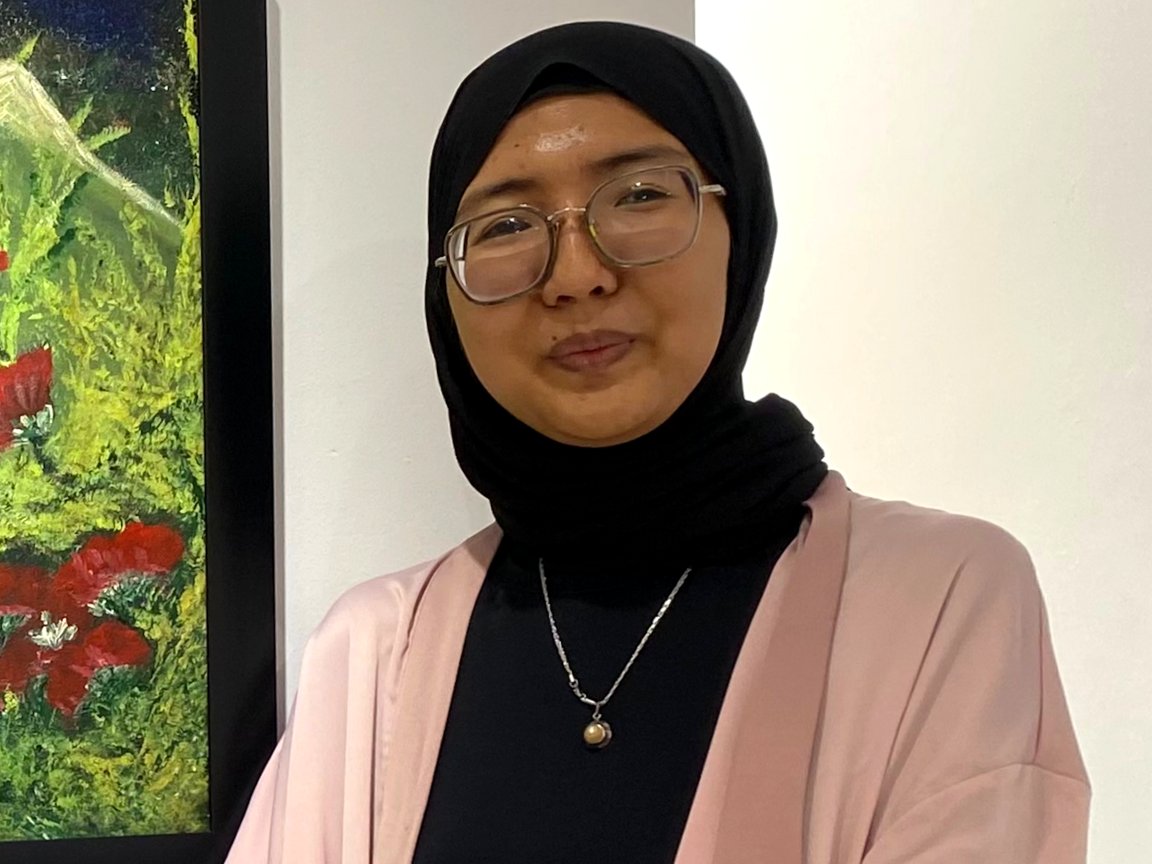
By Rahma Wati
(Rahma Wati, a volunteer with the Indonesian Red Cross, has just completed an internship at the Climate Centre that started last December, working on the Multi-Hazard Early Warning System.)
My responsibilities at the Climate Centre included translating the MHEWS tool into Bahasa and working with stakeholders, developing questionnaires and conducting focus group discussions, virtually or in-person, to finalize an assessment for the cities of Medan and Surabaya on Sumatra island.
The internship coincided with a major disaster in Sumatra, where Medan – my home town – and the surrounding areas were affected by severe flooding, and nearby regions such as Aceh were also impacted.
At the same time as my internship at the Climate Centre, I was actively involved in restoring family links, including a deployment in Aceh Tamiang Regency, giving me real-time insights into how early warning and coordination efforts and communities themselves respond to disasters.
In Medan, desk research and face-to-face consultations were supported by my background as a long-standing volunteer and staffer with the Indonesia Red Cross – the Palang Merah Indonesia, generally known by its local acronym: PMI.
In Surabaya, due to constraints in coordination and limited access to stakeholders, the assessment was conducted primarily through desk research.
Personal journey
One of the most valuable aspects of this placement for me was the opportunity to contribute to the real-world MHEWS assessment, which allowed me to move beyond theory and engage with how early warning systems are actually understood, implemented, and challenged at the local level.
Being part of a collaboration between the Climate Centre, the PMI, the IFRC, and the American Red Cross also gave me a broader perspective on how coordinated systems can create impact at scale.
The internship also felt like a continuation of my personal journey in the humanitarian field. I started my undergraduate studies in psychology at the age of 24, driven by what I witnessed in disaster contexts and the need to better understand human responses to crises.
I’m now pursuing my master’s degree in personality psychology, focusing on eco-anxiety because I see a growing need to understand how climate change affects not only environments but also people’s psychological well-being.
Through a community climate learning centre I initiated at the district level, designed to strengthen awareness and local capacity, I became increasingly aware that climate challenges are not only environmental or technical, but also deeply connected to how people think, feel, and respond.
Community learning
I see a strong connection between this academic focus and my experience with the Climate Centre, particularly in understanding that early warning systems and climate interventions need to consider human behaviour and psychological readiness.
After completing my studies, I plan to return to develop the community learning initiative, integrating my research findings into practical programmes.
The goal is not only to increase awareness, but also to strengthen people’s capacity to respond to climate risks in a more adaptive and sustainable way.
My internship with the Climate Centre allowed me to connect my background in psychology with real-world challenges, particularly in understanding how people respond to climate risks.
This experience strengthened my motivation to contribute to more people-centred climate action, and to be part of collaborative efforts that can create impact not only locally but at a broader, even global, level.
(Photo: Climate Centre)