
Hurricane Melissa exemplified both ‘growing risks and capacity to anticipate and save lives’
By the Climate Centre
Hurricane Melissa last October had no historical precedent, the World Meteorological Organization recalled today, as the first Category 5 on record to make landfall in Jamaica. It killed 45 people and caused economic losses of nearly 9 billion US dollars or more than 40 of the island nation’s GDP, according to official figures cited by the WMO.
But Jamaican authorities were able to use “high-quality risk modelling to inform advance financial measures and disaster preparedness which limited the human toll and helped the island cope,” it added in the latest State of the Climate in Latin America and the Caribbean 2025 report, published today in Brasilia.
WMO Secretary-General Celeste Saulo said the report showed “that while risks are growing so too is our capacity to anticipate and act to save lives and protect livelihoods.”
She added: “The signs of a changing climate are unmistakable across Latin America and the Caribbean, from accelerating glacier loss and rising sea levels to rapidly intensifying tropical cyclones, extreme heat, floods and drought.”
Another major risk is extreme heat, the report says, which is posing an increasing public health burden. In 2025, relentless heatwaves – with temperatures well above 40°C – affected large parts of North, Central and South America.
“There is therefore a pressing need to embed climate intelligence into health planning and emergency preparedness and to integrate meteorological early warnings with public health triggers,” the WMO says.
‘High-quality modelling and disaster preparedness that limited the human toll’
Mexico experienced the fastest warming in the region, at fractionally above 0.3°C a decade from 1991 to 2025, experiencing a new national record last year of 52.7 °C in Mexicali – the capital of the state of Baja California and reputedly one of the hottest cities in the world.
Over the past 50 years, rainfall in Latin America and the Caribbean has become more extreme, meanwhile, alternating between deluge and drought, with longer dry spells and more intense wet spells; June 2025 was the rainiest month ever recorded in Mexico.
Along some Atlantic-facing coasts in the Caribbean and the tropical South America, the sea is rising faster than the global average.
Andean glaciers that are now shrinking provide water to some 90 million people, supplying homes, dams, farms and industry.
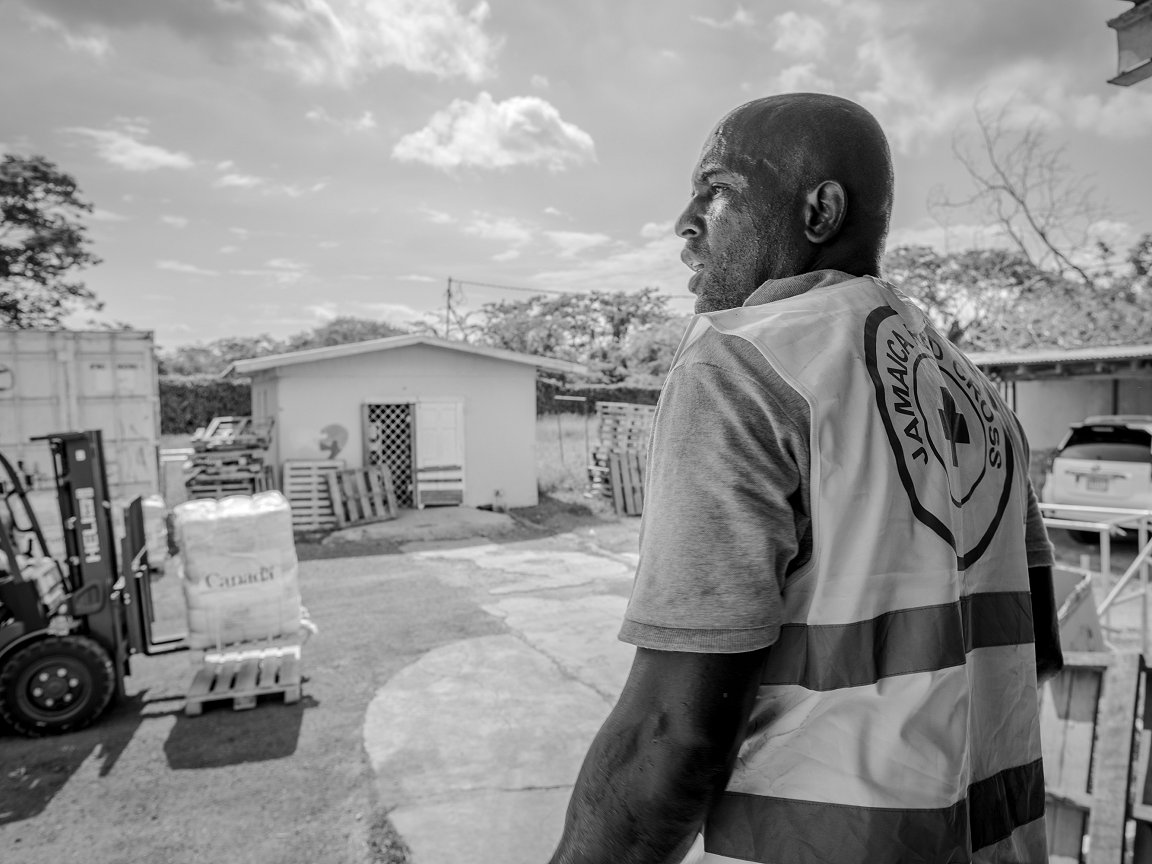
With a new official hurricane season days away and humanitarian needs still acute, the Jamaica Red Cross recovery strategy focuses on shelter, livelihoods, health hygiene and community resilience.
JRC President Allasandra Chung told last month’s Hurricane Melissa recovery conference in Kingston that the strategy “goes beyond rebuilding what was lost – helping communities rebuild futures that are safer, more resilient and better prepared for what lies ahead.” It forms part of the IFRC’s emergency appeal for 19 million Swiss francs to support 180,000 people over two years.
“However, the appeal is currently only 56 per cent funded, limiting the ability to scale up recovery efforts at the pace required,” the IFRC said late last month.
Jamaica Red Cross personnel oversee the unloading of emergency aid supplied by Canada last November, after Hurricane Melissa wrote a new chapter in the weather history books. (Photo: Damien Naylor/JRC via IFRC)