
Spanish fires: ‘I got calls from neighbours, friends, consulates’
By the Climate Centre
The Andalusian regional government said yesterday that 13 people are now known to have died in the shock wildfire that burned more than 7,000 hectares in the Los Gallardos municipality last week – one of the most lethal wildfires in Spanish history.
The authorities said ten people are still missing and they are working with counterparts in Belgium, France and the UK to account for them.
More than 1,000 people were given the all clear to return to their homes in evacuated villages north of Los Gallardos Sunday, but at the same time the government urged citizens to remain vigilant throughout the summer, noting that in Andalusia an average of 15 forest fires were breaking out every day, rising at times to as many as 22, media reports said.
Spanish Red Cross volunteers from the Almería city branch last week cared for 600 affected people, most of them in shelters set up by the Red Cross in the village of Lubrín and Garrucha town with camp beds, hygiene kits, food, water and psychosocial support.
“It is very important to listen and support, and to create spaces for affected people to express themselves,” said Rosa Martínez, a psychologist with the National Society’s emergency response team.
Sustained heatwaves
As the fires peaked, hundreds of people called a special Red Cross hotline on Friday to inquire about family and friends they hadn’t been able to contact, La Vanguardia newspaper reported.
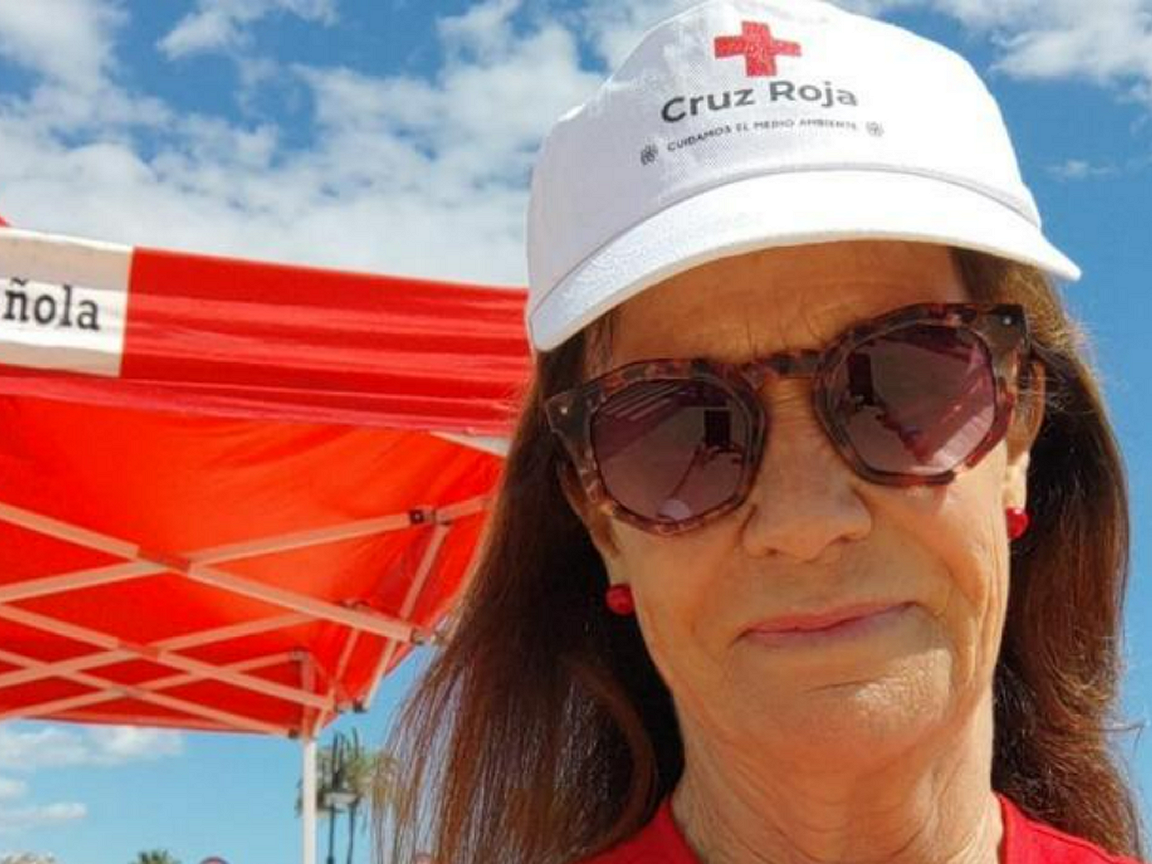
The person in charge of answering the calls was María Luisa Callejón, a retired English teacher who has been volunteering with the Red Cross for seven years (pictured).
Despite it being her birthday on Friday, she didn’t hesitate to go to the command post when they asked her first thing in the morning and spent 12 hours “giving hope to people searching for family and friends,” the paper added.
“When they called me, I would ask for their name, age, surname, and when they had last spoken to the people they were looking for,” she told La Vanguardia, adding that the calls she received were from people from all walks of life and all backgrounds.
“I got calls from neighbours, friends and consulates, especially from the UK and Australia, and many other places. My knowledge of English also played a role since many of those who contacted me were foreigners.”
Aerial footage posted by the Guardia Civil yesterday graphically illustrated the extent and the ferocity of the fires around hilltop villages that often left people few, if any, obvious escape routes.
Sustained heatwaves around 40°C have been causing wildfires across southern Europe this summer, particularly in France, Portugal and Spain.
In their most recent relevant study, WWA scientists said late last year that climate change made the hot, dry, windy conditions that was fuelling wildfires and left a reported 1 per cent of the entire Iberian peninsula charred and burnt some 40 times more likely and 30 per cent more intense.
A contributory ten-day heatwave – including Spain’s then hottest such period on record – was 200 times more likely and 3°C hotter because of climate change.
Spanish Red Cross volunteer María Luisa Callejón. (Photo: CRE)