
Spain and France battle wildfires described as ‘apocalyptic’
By the Climate Centre
(This story was updated on 29 July to include the latest figures on the Red Cross response in France and Spain from the IFRC press release Tuesday.)
Firefighters and emergency personnel in Spain and France were today battling separate wildfires on multiple fronts that have been described as apocalyptic, ahead of another forecast heatwave that will make conditions yet more difficult.
“What we’re experiencing isn’t a succession of isolated events. It’s the most painful expression of a climate emergency that is making [extreme] Level 6 wildfires more ferocious, heatwaves more frequent, and our territory more vulnerable,” Reuters quoted Spanish Prime Minister Pedro Sanchez saying Monday.
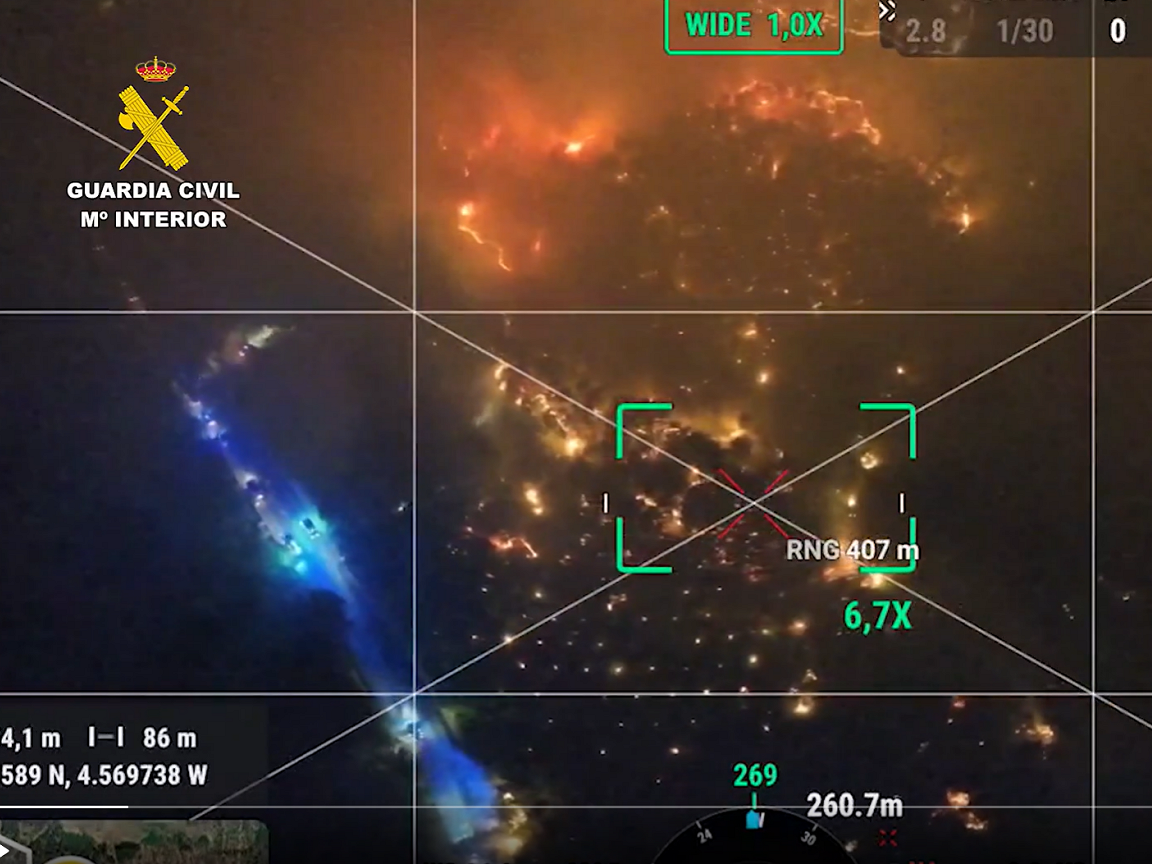
The Spanish government estimates that 77,000 hectares have burnt so far in the provinces of Madrid, Toledo and Avila, with the Avila blaze reportedly the biggest wildfire in modern Spanish history.
In both Bordeaux and Avila, July temperatures have averaged 32°C – almost 6°C above the month’s 1961–90 norm, according to the Reuters Climate Monitor.
The blazes in France, which began last week, are now only 15km from entry points to the city of Bordeaux – “a fire of a size never seen before,” said Jerome Steffe, mayor of the affected Bordeaux suburb of Cestas.
Hundreds of thousands of people have been evacuated across both countries.
Greece and Italy have each sent two Canadair water-bombing aircraft to Spain under the EU civil protection mechanism and Portugal has deployed more than 100 military personnel and equipment, and two more planes are due to arrive from Turkey; Switzerland is supporting France with two firefighting Super Puma helicopters.
‘A fire of a size never seen before’
The Spanish Red Cross has responded to forest fires around Madrid, Ávila, Toledo, and Castellón, mobilizing a team of 690 staff and volunteers and a fleet of 125 vehicles and 27 ambulances.
The National Society has set up 78 emergency shelters hosting more than 4,400 people and is providing food, water, health care and psychosocial support in close coordination with national and regional authorities.
To meet the scale of the emergency in Gironde and Landes, the French Red Cross has mobilized more than 300 volunteers from over 60 local branches. Teams are supporting evacuations and setting up emergency accommodation, offering beds and essential supplies such as hygiene kits, masks, camp beds and blankets for displaced people.
The French Red Cross is already preparing medium-term support for people whose homes have been damaged or destroyed, including help with rebuilding daily life once the fires are brought under control.
Guardia Civil drone footage of wildfires in La Adrada municipality, Ávila graphically Sunday night illustrates the scale of the fires in Spain, with the emergency vehicles on the left dwarfed by the fires. (Photo: Guardia Civil)