
‘Extreme heat is already a health emergency – the intensifying El Niño will push more people into crisis’
By the Climate Centre
The four-day in-person Global Heat Forum – the first of its kind, which included at least 20 participants from the Red Cross Red Crescent Movement – designed to “unlock finance and supercharge solutions on extreme heat” ended in Bangkok yesterday.
At least 650 people – including scientists, business leaders, philanthropists and health experts among others – from some 70 countries took part.
“Together we connected evidence, lived experience, and practical solutions for extreme heat action,” organizers the Global Heat Health Information Network said. “We identified priorities, investment opportunities, and the conditions needed to scale what works.”
Speakers spanned a wide variety of sectors, government agencies and contexts, GHHIN added. The week also brought new resources and support for regional action and connections. Specialists from both private and public sectors joined the forum to identify solutions from local and global perspectives to help communities adapt in an era of increasing extreme heat.
The IFRC gave a presentation on World Disasters Report and Climate Centre Head of Programmes Julie Arrighi outlined action on heat being taken by National Society volunteers. A Thai Red Cross team ran a workshop on first aid.
Arguing that developing countries lack the support they need to meet the growing heat hazard, UN Secretary-General António Guterres said he was “calling on every city to build lasting defences against extreme heat. That means every part of government – health, housing, energy and transport – working as one. And it means heat action plans in place by 2030 – backed by the systems and resources to make it real.”
The solutions exist
This year’s record-breaking heatwaves in Asia, Europe and North America have affected economies and agriculture, fuelled deadly wildfires and intensified air pollution; the strengthening El Niño – coming ahead of the Southern Hemisphere summer – is set to lead to more.
The forum event opened with the launch of a selection of resources for governments, cities and health services, including Extreme heat and health: Global evidence for action, Burning Questions series: A Decision-maker’s Guide to Heat and Health answers, and the Global Call to Action on Heat and Women’s Health.
The solutions exist, says GHHIN: early warnings linked to health action plans, climate-smart urban planning, and legislative protection for workers in factories, fields and construction sites.
Naveen Rao, Senior Vice-President of Health at The Rockefeller Foundation, told delegates: “Extreme heat is already a health emergency, and an intensifying El Niño will push more people into crisis, overwhelm the clinics that treat them, and erode the safety nets they rely on.
“We cannot afford to wait. We have never been better equipped to anticipate and respond to these shocks, and now it’s our responsibility to act quickly to protect those who will be hit first and hardest.”
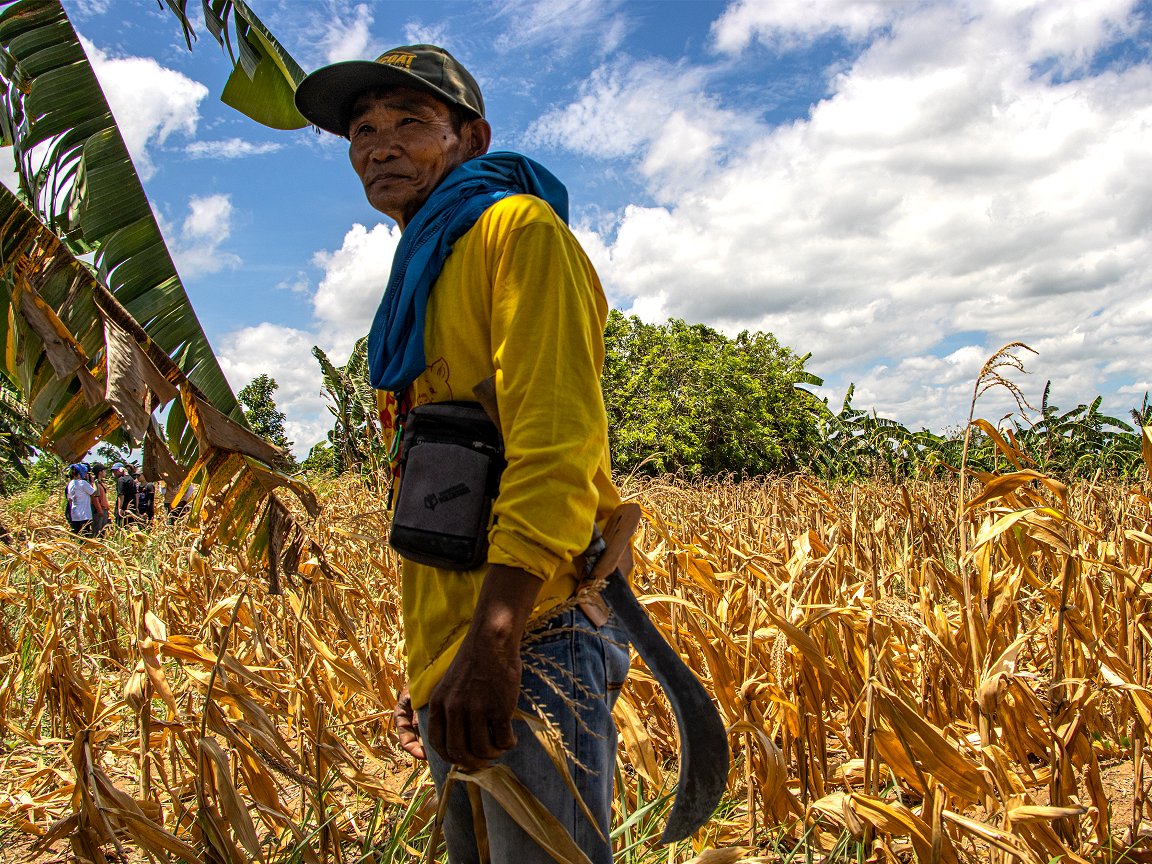
A Philippine farmer gets ready to harvest his sun-baked corn. (Photo: Rafael Angelo Mendoza/GHHIN-EJN Extreme Heat Photo Contest 2025)