
INFLOW project for Nile basin sets sights on consolidating impacts this year
By Liz Stephens, University of Reading and Climate Centre science lead
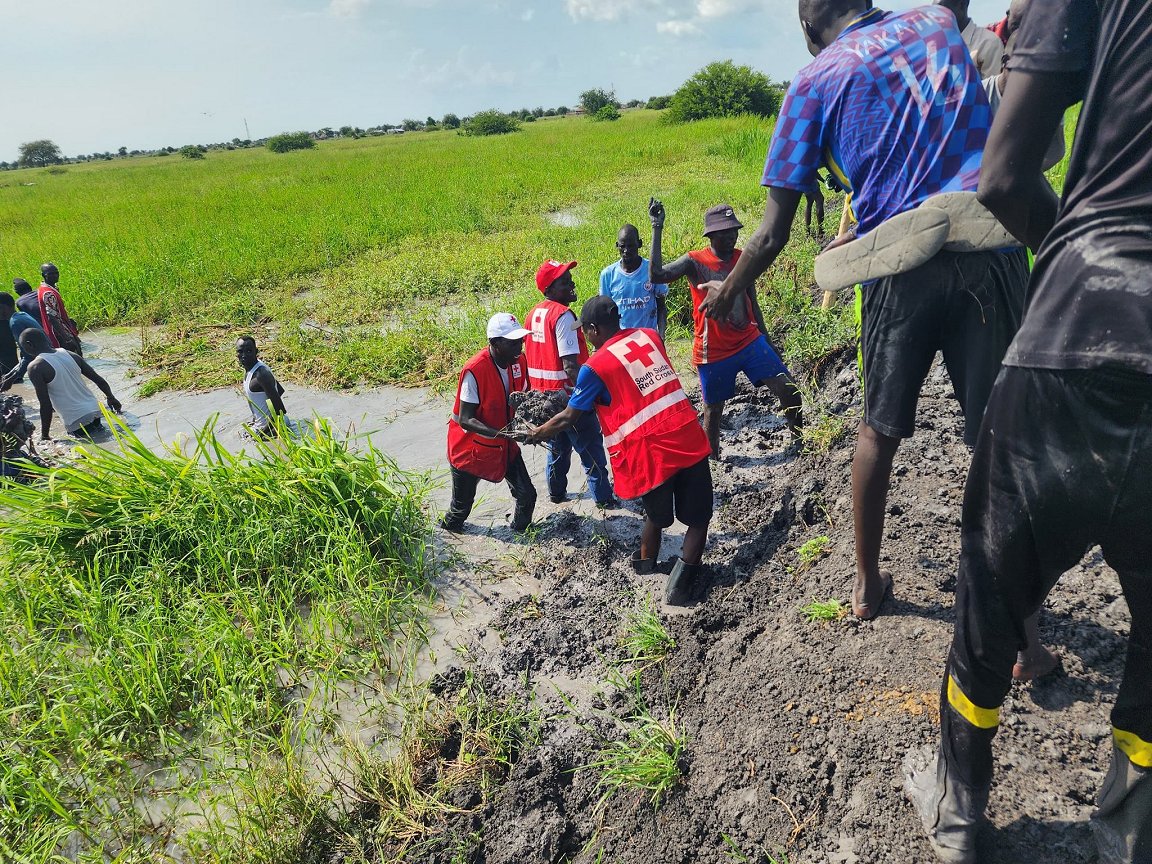
Researchers and partners from the INFLOW project met in Nairobi earlier this month focused on translating research findings into operational flood-forecasting and early action in the White Nile basin in South Sudan (pictured) and Uganda.
Starting in 2023, INFLOW’s expected results have been categorized as improved flood forecasting at IGAD’s Climate Predictions and Applications Centre (ICPAC), and improved humanitarian approaches for anticipatory action in conflict-affected settings.
With fieldwork and research on the development of models now close to completion, the meeting on 12–13 January centred on how best to integrate project findings and adopt new tools and techniques to deliver lasting, practical impacts into the future.
Participants included specialist researchers and officials from South Sudan and Uganda, ICPAC hydrologists, as well as the South Sudan and Uganda Red Cross, MSF, and the World Food Programme.
INFLOW is jointly led by the University of Reading in the UK and Nairobi-based ICPAC; it’s part of the UK- and Canadian-supported Climate Adaptation and Resilience research programme.
Participants heard or gave detailed presentations on the improved understanding of the hydrology of the Nile basin and new forecast tools which are better able to predict river flows and flooding in, for example, South Sudan’s huge wetland formed by a section of the White Nile and known as the Sudd.
The INFLOW_AI forecast model combines satellite observations with machine-learning to forecast the extent of flooding in South Sudan; it’s been integrated into plans for anticipatory action by the South Sudan Red Cross, while ICPAC plans to run the model for its own East Africa Hazards Watch, providing sustained impact after INFLOW closes.
A tool that combines satellite observations with machine-learning to forecast floods
ICPAC are also close to finalising developments on their own hydrological model, which complements INFLOW_AI by improving the prediction of river flows and lake water-levels across the wider basin.
Starting in March, INFLOW will fund staff from ministries in South Sudan, Sudan and Uganda to make extended visits to ICPAC headquarters in Nairobi to develop standard operating procedures for their ministries to use INFLOW’s new forecast tools; humanitarian partners in these countries will be supported to use them for better decision-making.
This month’s INFLOW meeting also highlighted progress with research into refugee communities in northern Uganda, which has addressed the differences between male and female-headed households in access to early warning messaging and decision-making.
It’s now planned to take findings back to refugee communities in northern Uganda to work with them to identify practical ways of addressing this issue, including how anticipatory action by and for groups such as female-headed households can be better supported.
The worsened flooding in the White Nile basin has yet to return to pre-2020 levels, adding to already-complex humanitarian challenges in the region, and the Nairobi meeting was also an opportunity for the researchers, forecasters, governments and humanitarian organizations to discuss the collaborative work needed to address long-term challenges going forward.
In October 2024, South Sudan Red Cross volunteers from the village of New Fangak, also affected by conflict, team up with local youngsters to reinforce dykes after seasonal White Nile floods that triggered a major IFRC emergency appeal for 9 million Swiss francs that month. INFLOW forecast intelligence was fed into the build-up to the appeal via national task force meetings and used by humanitarian partners to inform their operations. (Photo: South Sudan Red Cross via X)