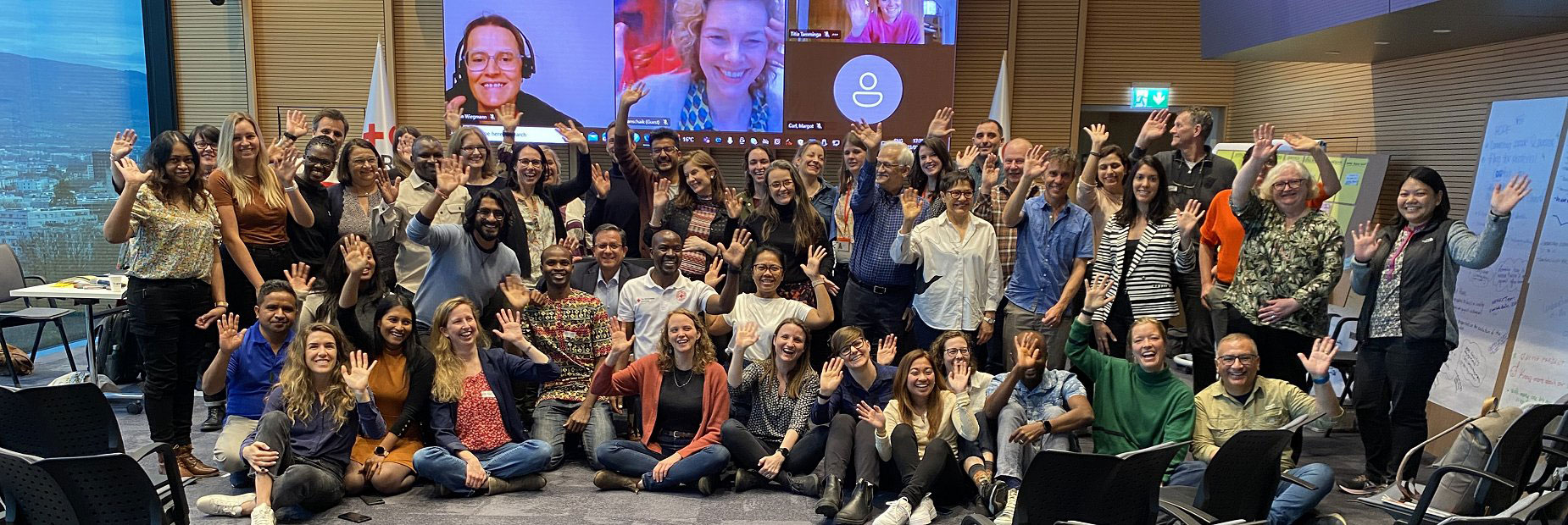
The Climate Centre is known for its technical credibility and thought leadership in areas such as climate science, climate policy, and innovation. The Programme Integration Team consists of thematic leads, who ensure these topics of thematic leadership are common threads throughout Climate Centre programmes. Additional themes include: youth engagement, monitoring and evaluation and communication.

Programme manager
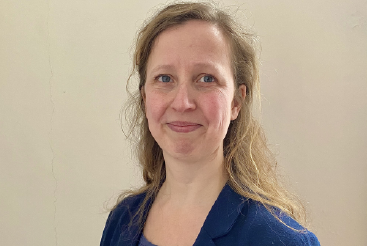
Margot Curl
Head of Programme Integration
Margot manages the work of the Programme Integration team, ensuring that the topics of policy, science, innovation and learning, as well as youth work, are integrated across the work of the Climate Centre.
Team members
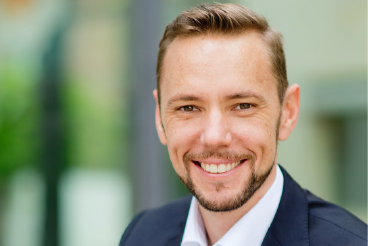
Clemens Gros
Clemens is a consulting technical adviser in monitoring and evaluation with 18 years’ experience in the humanitarian and development spheres. He designs, leads, and analyzes complex research efforts across the Climate Centre portfolio. Clemens also does consulting for other clients including UN agencies and the World Bank.
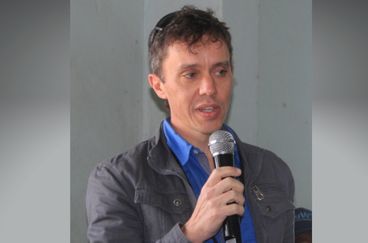
Chris Jack
Chris is a climate science expert, primarily engaged with forecast based finance and anticipatory action. He has a background in computer science and and PhD in climate science, but more recently has become increasingly involved and passionate about integrating climate science into collaborative learning, co-production, and transdisciplinary action research processes.
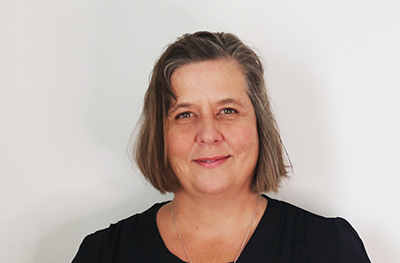
Bettina Koelle
Bettina leads the cross cutting cluster on innovation and learning in the Climate Centre. A geographer by training, she is passionate about exploring complex systems. She loves designing unusual learning experiences and innovations to untangle complex systems, explore different timescales and facilitate dialogue around finding solutions to our urgent challenges.
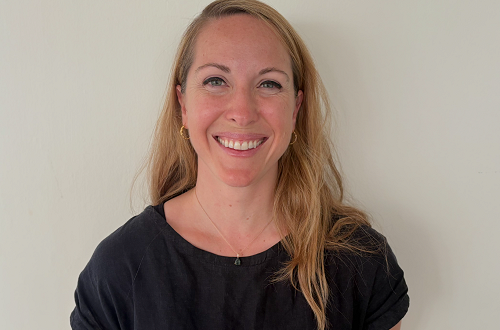
Florence Pichon
Florence Pichon is a researcher that supports the Climate Centre’s work on climate finance. She focuses on how different financial instruments, climate policies, and organizational practices can more effectively channel climate finance to better address climate risk at the local level.
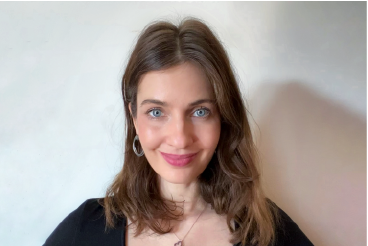
Rebeka Ryvola
Rebeka is an artist and researcher exploring the imagination, perception, and collective care within climate and humanitarian spaces. She leads art and narrative strategy, intent on helping build a culture of curiosity and experimentation. Her work uses imagination-centred theory and practice to help humanitarian teams see systems differently and create ways to act with deeper awareness and a justice-informed sense[..]