Blog: Working toward a shared language on hazardous extreme heat
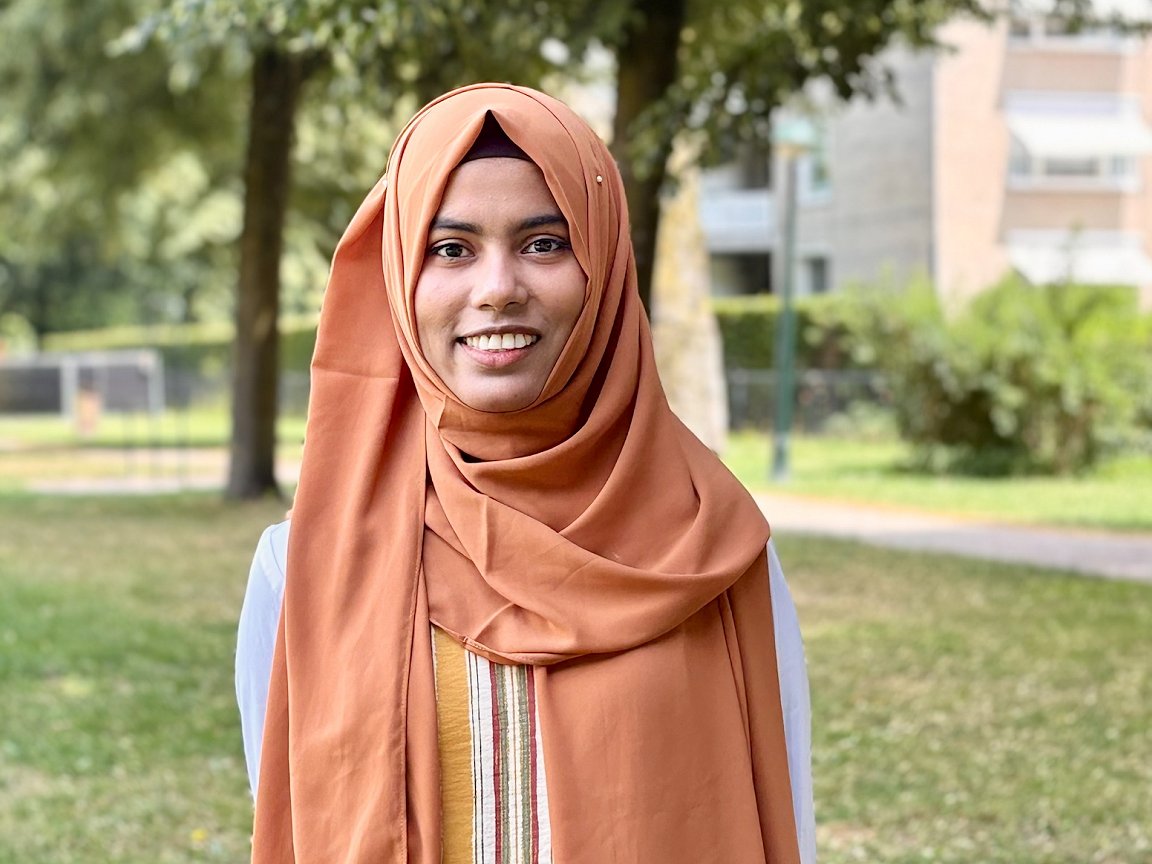
By Reba Farzana
(Climate Centre intern Reba Farzana is doing a masters degree in geo-information and earth observation at the University of Twente in the Netherlands.)
Climate and health conversations are full of technical language which includes terms that mean different things to different people, or which lack agreed definitions altogether.
The gap matters because when experts from meteorology, public health, and humanitarian response try to coordinate over extreme heat, inconsistent terminology can hinder progress. It was this challenge that lay at the heart of my internship with the Climate Centre.
My work centred on the Heat Literacy Guide, a resource designed to establish a shared language around heat, one that could be used across the organizations and sectors working to address it.
Coordinating reviews by partners including the UN, the Global Heat Health Information Network and the IFRC meant navigating different institutional priorities, timelines, and ways of working.
I learned quickly that producing something requiring joint validation requires as much careful coordination as it does technical rigour.
Terminology
Through this process I came to understand something that I don’t think I could have learned from coursework alone: that in a multi-stakeholder field, one of the most valuable contributions you can make is not always new data or new analysis, but a clearer, more consistent way of discussing what already exists.
Terminology feels like a small thing until you see how much work it quietly enables, or blocks.
The internship also tested my ability to adapt. Plans shifted, timelines moved, and I had to find ways to keep the work on track without losing sight of what we were trying to produce.
The Climate Centre gave me the space to work through those challenges independently while making sure support was there when I needed it.
I am leaving with a much clearer sense of how global knowledge products are actually generated: the coordination, the compromise, and the care that goes into producing something that genuinely serves the field.
Now I look forward to building on what I learned here as I continue working at the intersection of climate, health, and humanitarian action.
Reba Farzana. (Photo: Climate Centre)