
Blog: Understand the audience, shape the work accordingly
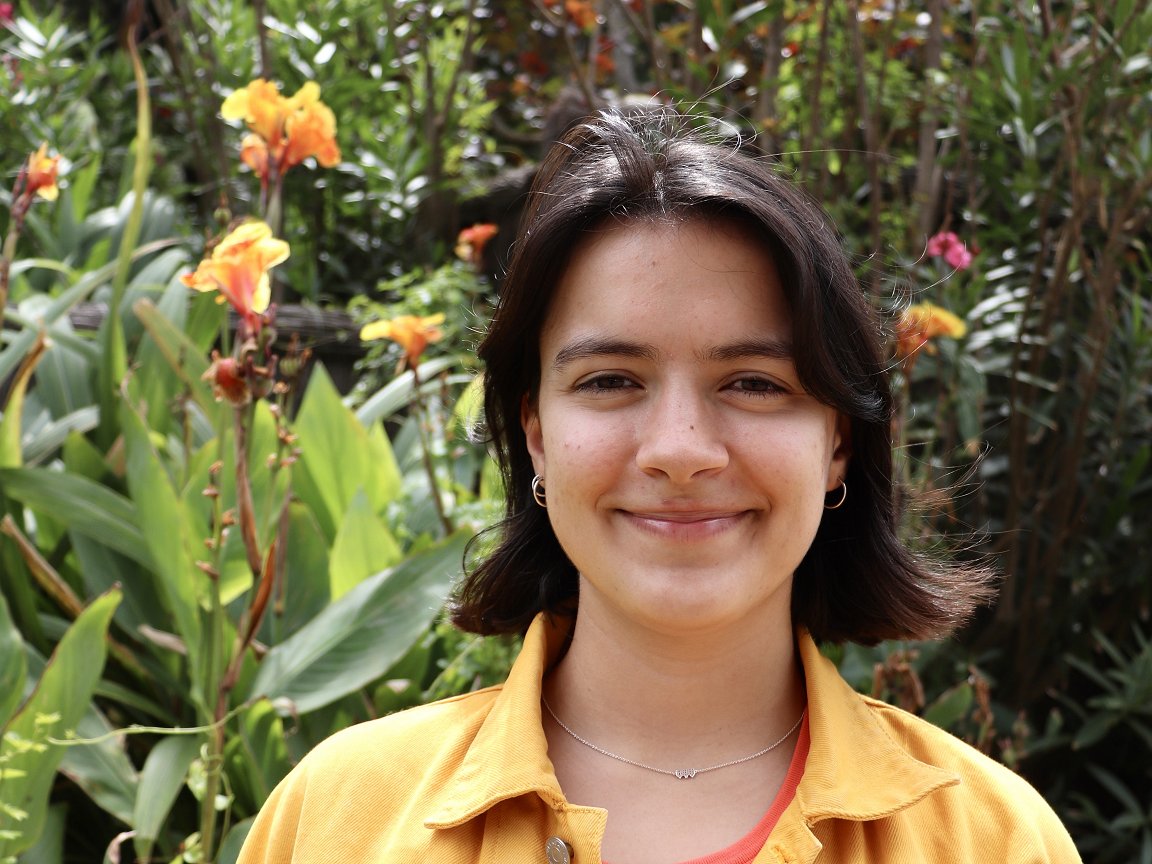
By Sanam Ayub Khan
(Climate Centre intern Sanam Ayub Khan is an MSc student in global health and development at University College London)
I think it’s impossible to pinpoint where the influence of the Climate Centre starts and where it ends. I admired the expansive work of the centre from afar for a long time before joining as an intern on the health team.
When I was reading about the Climate Centre, I was always struck by the creativity and the diversity of expertise. Getting to work with the team revealed that these traits were even more impressive and significant than they appeared from the outside.
My internship came as I was writing my own dissertation about the operationalization of heat-vulnerability indices, so I got to experience wearing two hats at the same time; belonging to academic and non-academic worlds.
While I was researching how data gets translated into policy-making, I was experiencing the challenges in practice: I was hearing the testimonies of those doing the translating; the scientists and researchers, grounded in the impact of their work.
I also learned about the possibilities of overcoming these challenges, which often comes down to establishing the right partnerships and having the flexibility to compromise.
I’ve started to imagine how practising this balancing act can strengthen the ability to move between worlds, become a better communicator and boost one’s creativity in finding solutions.
I’ve been able to support writing reports that synthesize evidence on the health impacts of environmental and climate hazards in South Sudan and the drafting of trigger proposals for dengue prevention in Senegal.
I’ve also had the chance to dive into the workings of the Red Cross Red Crescent Movement by supporting recommendations on the prioritization of climate and health programming.
I was hearing the testimonies of translators, scientists and researchers, grounded in the impact of their work
An underlying thread in all of this work was the requirement to understand the audience, and shape the work according to what they needed to gain from it.
Without a handbook on the shelf for this skill, I relied on my colleagues who were well versed in how the Climate Centre positions itself as a reference point to learn from their approaches and styles.
The centre’s unique position in the Movement as a source of technical advice for National Societies, the IFRC, the ICRC, donors and other partner organizations means that the Climate Centre works as a rapid translation service, helping to turn evidence into action.
Moving forward, I hope to take this hat that I’ve had the chance to wear and tuck it into my collection, where its lessons may support my future work in the translation of research into policy in the climate and health sectors.
(Photo: Sanam Ayub Khan)