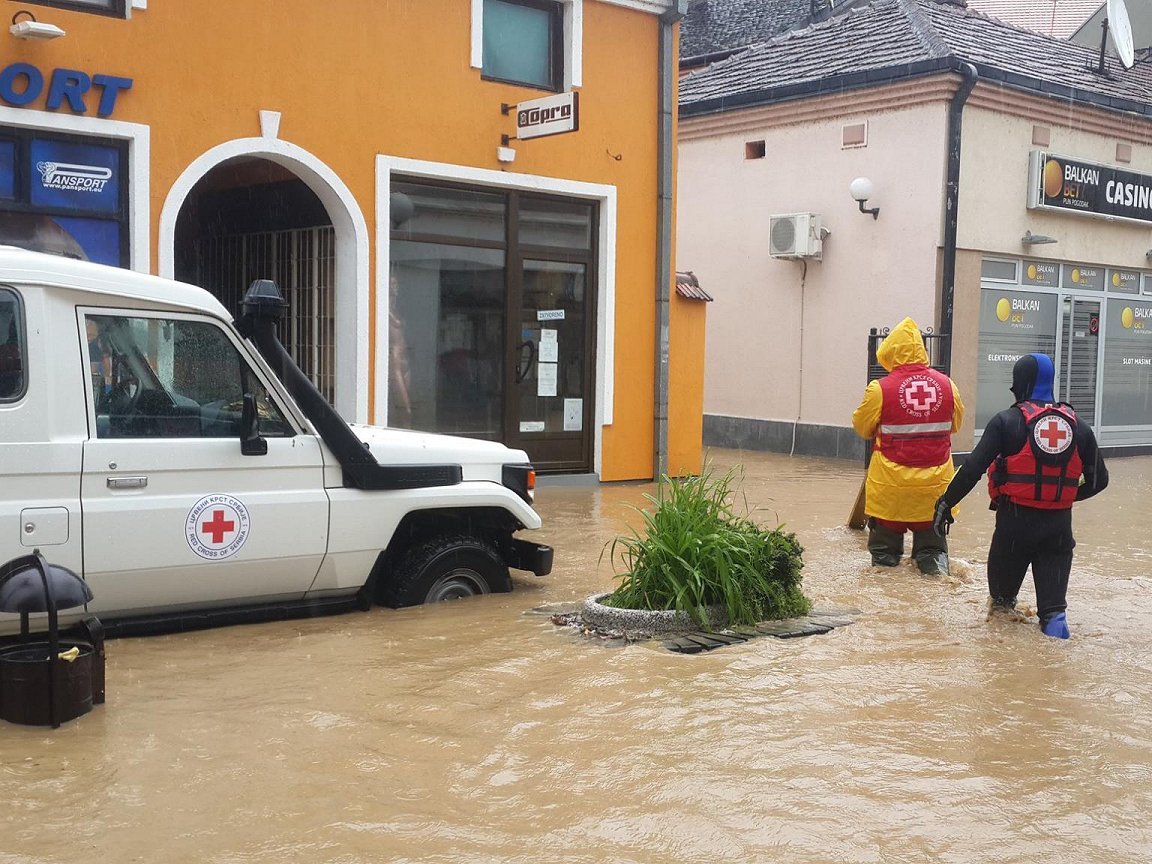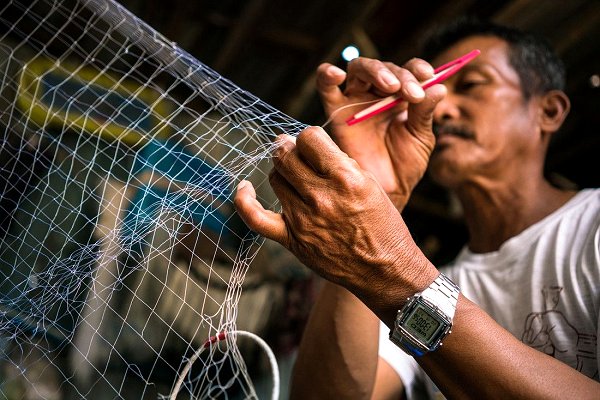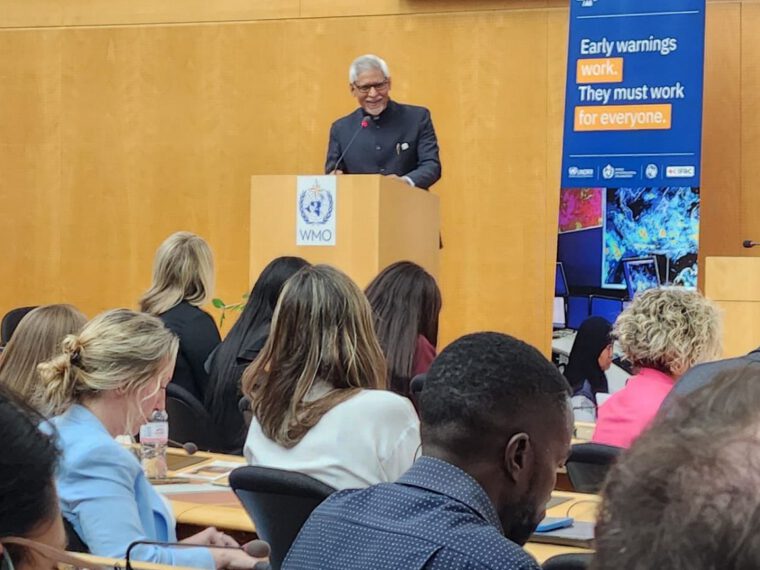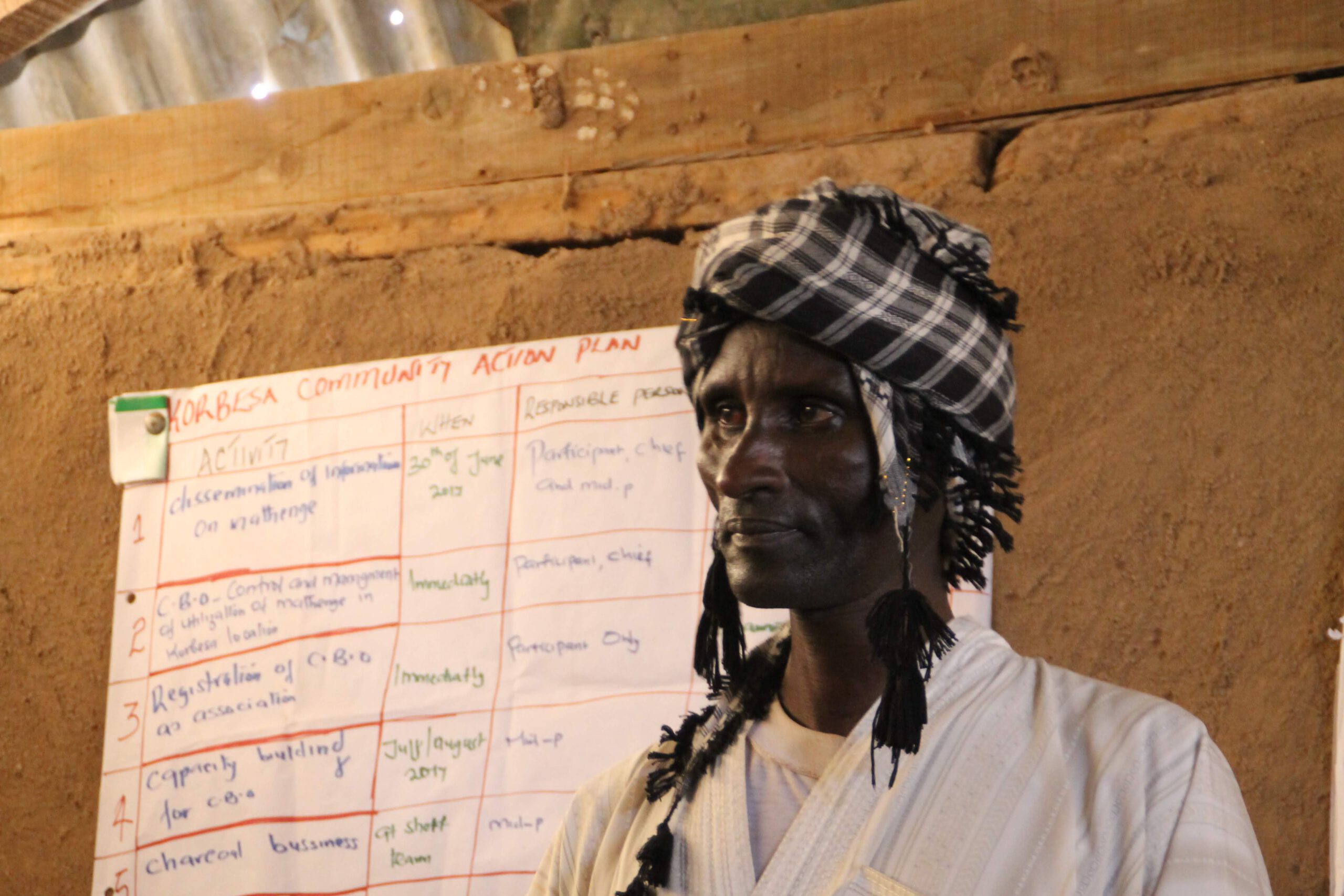
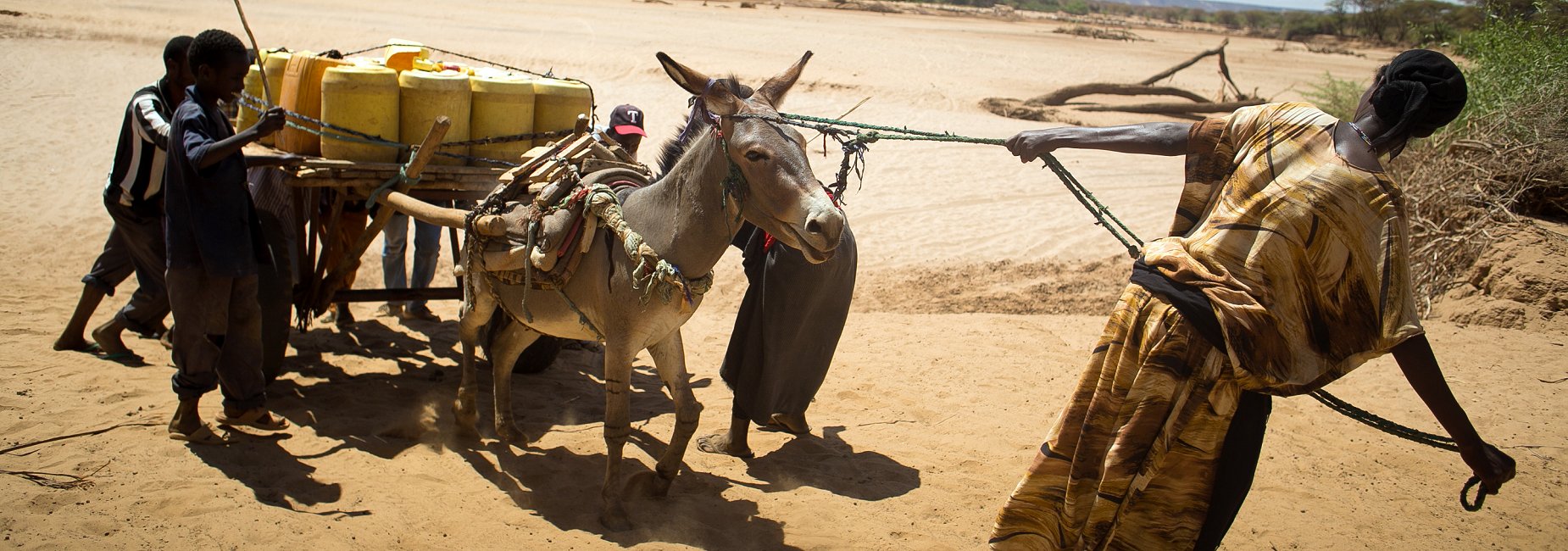
Locally led adaptation (LLA) is a forward-looking approach pioneered by the Global Commission on Adaptation in 2021 in collaboration with leading institutions in resilience and adaptation. Endorsed by multiple governments and international organizations, including the IFRC, it represents a bold step toward localization.
Through LLA initiatives, the Red Cross Red Crescent network empowers front-line communities to advance their own solutions through equitable climate finance. It comes with eight principles which lay out the ground rules to enable locally led, sustainable and effective adaptation.
In 2023, the IFRC and the Climate Centre developed the Climate Action Journey towards locally led adaptation that was rolled out with at least 40 National Societies. Insightful lessons emerged from this first group and were captured in an internal review with the societies in 2025. This led to this revised version of the Climate Action Journey in September 2026, available in English, French, Spanish and Arabic.
The Climate Action Journey provides an innovative framework for National Societies to integrate changing climate risks into their existing work and empower communities to design and implement climate solutions through their own wisdom and experience, and climate science.
The IFRC and Climate Centre published a short brief on the importance of scaling up locally led adaptation in 2024 and prepared tools and training materials to support National Societies in rolling out the journey. These and a user guide are available upon request from the Climate Centre.
The methodology of the Climate Action Journey aligns with existing IFRC guidance materials, such as the Enhanced Vulnerability and Capacity Assessment, the Road Map to Resilience, and the guide to climate smart programmes and humanitarian operations, which supports National Societies in integrating changing climate risks in their work across sectors to ensure our programmes and operations can withstand future shocks and stress.
To foster locally led adaptation at the community level, the journey starts with strong internal governance, partnership, and an understanding of changing climate risks and what they means for the strategies, programmes and operations of the National Society.
From 2023, the Climate Centre has been working beyond the Red Cross and Red Crescent family to enhance LLA with local government through Pathways2Resilience, which supports 150 regions and communities in Europe to scale up climate adaptation.
The Climate Centre was a founding member of the Partners for Resilience alliance from 2010 to 2020, promoting an integrated approach combining solutions to rising disaster risk, climate change and environmental degradation, and beginning in 2014 also was a member of the SHEAR and BRACED alliances, which aimed to increase community resilience to changing climate risks through a mixture of research and practice.
Scaling up locally led adaptation: A humanitarian perspective and lessons learned (IFRC and Climate Centre 2025)
The Climate Action Journey 2026 (IFRC and Climate Centre)
The importance of scaling up locally led adaptation (IFRC and Climate Centre 2024)
Local adaptation to climate change – challenges and lessons learned in the Global North: French version and English version.
Inspiring LLA stories: Malawi, South Sudan and Rwanda
GCRP: IFRC’s Global Climate Resilience Platform
Zurich Climate Resilience Alliance: Towards transformative action: The unfulfilled promise of resilient recovery
REPRESA: Resilience and preparedness to tropical cyclones across Southern Africa
Partners for Resilience: An alliance from 2010 to 2020, promoting an integrated approach combining solutions to rising disaster risk, climate change and environmental degradation
SHEAR: Science for humanitarian emergencies and resilience programme 2016–2022 impact report
Pathways2Resilience: Pathways towards climate resilience in Europe