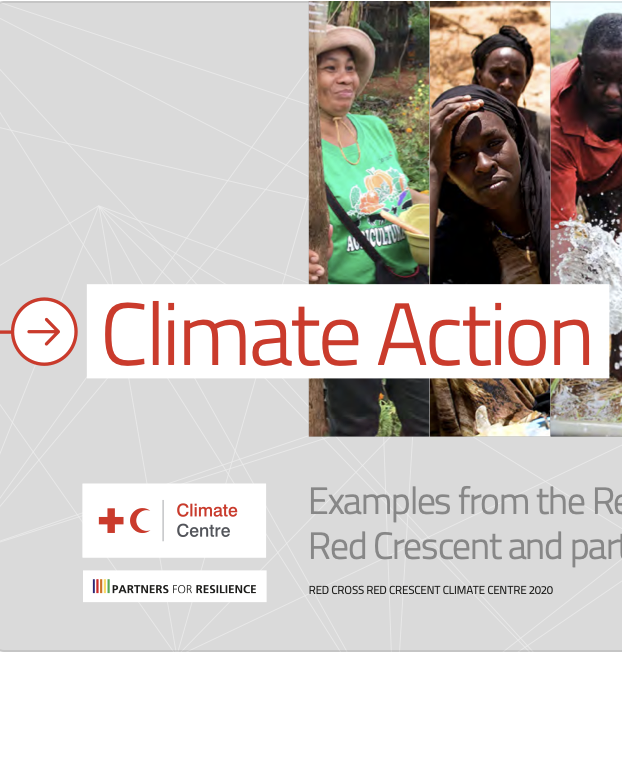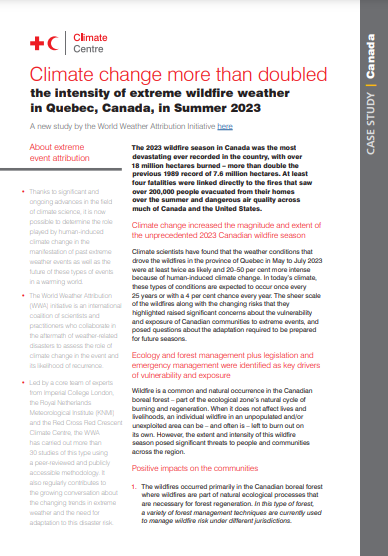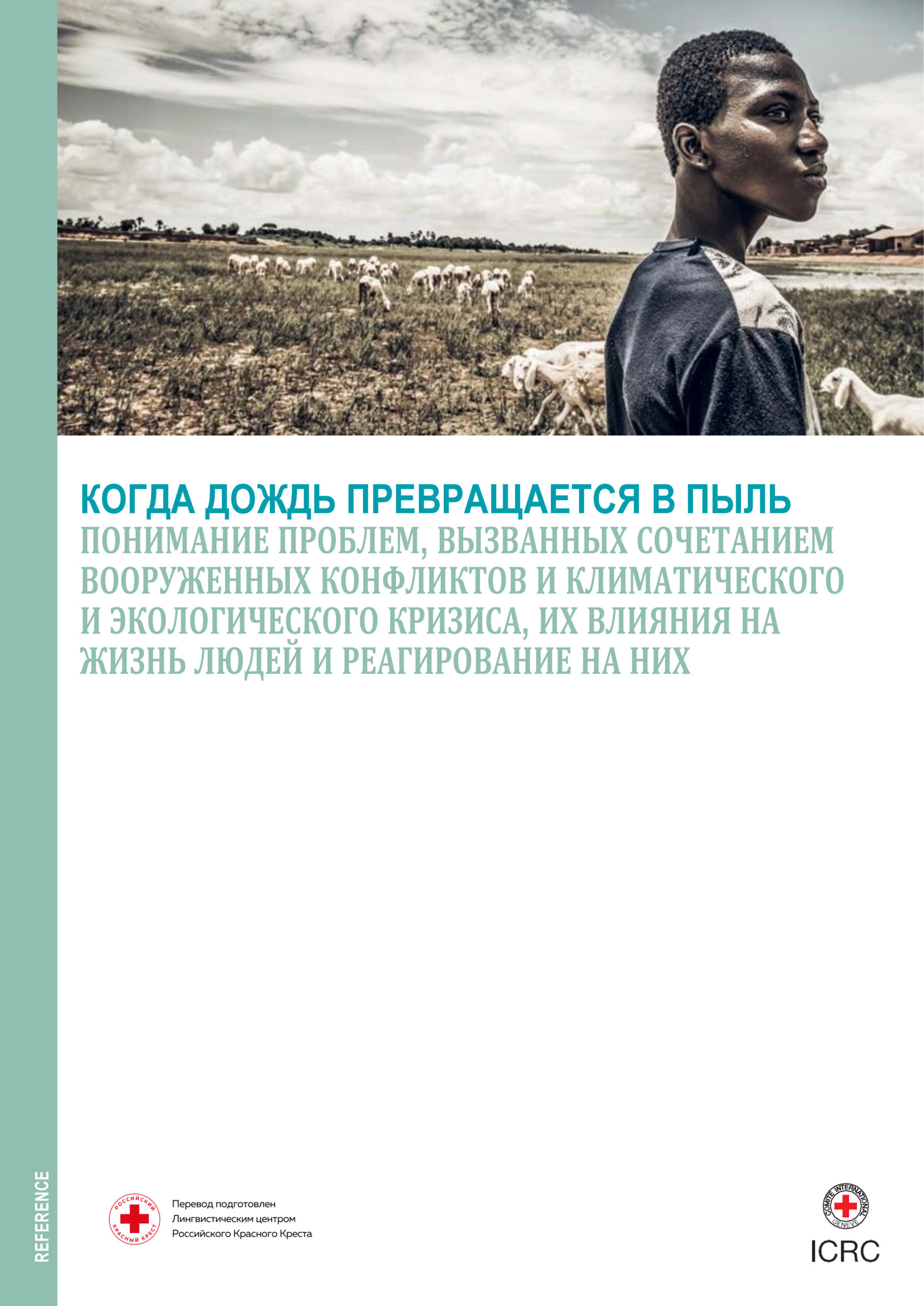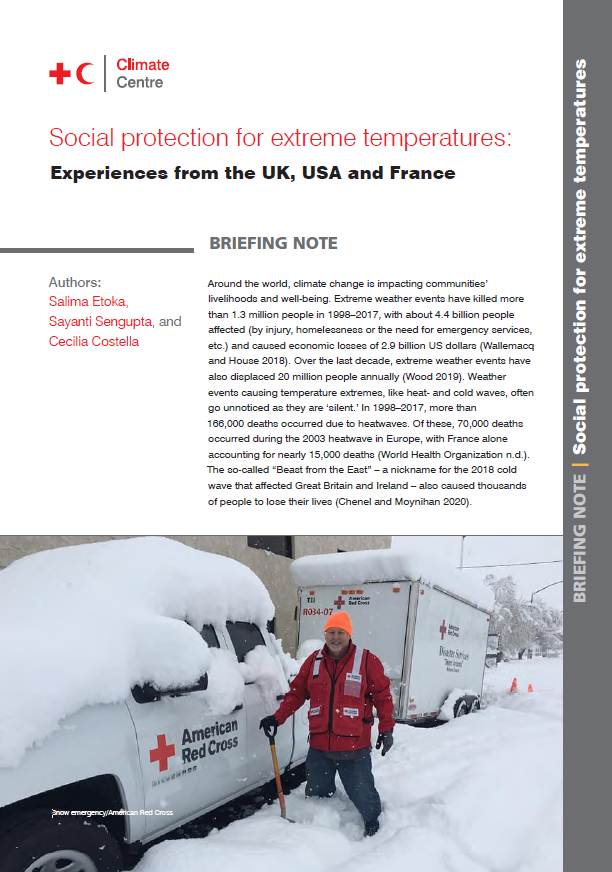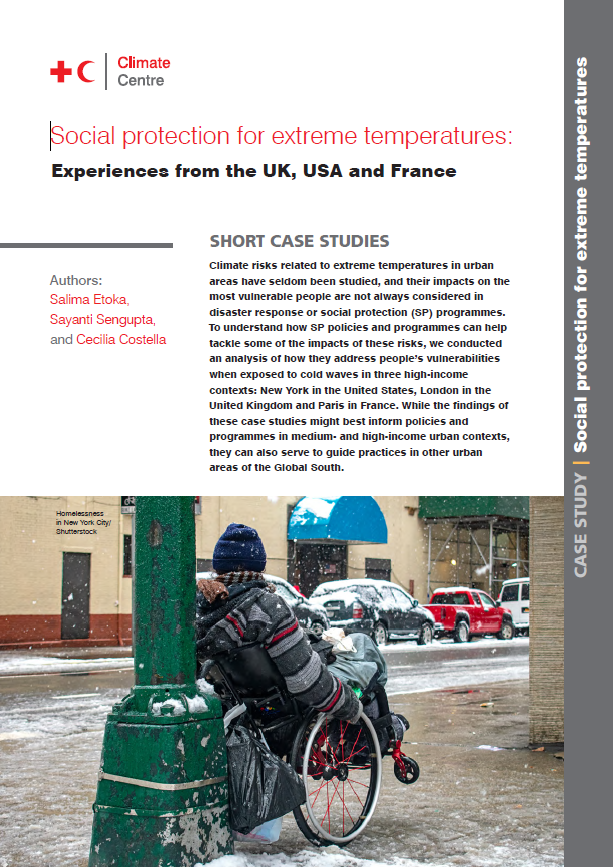
Publications


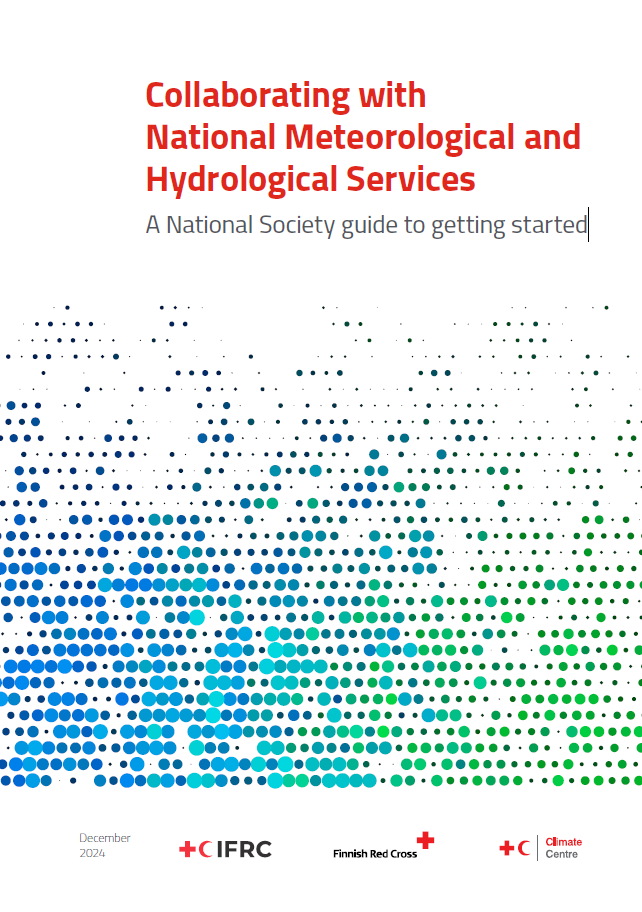
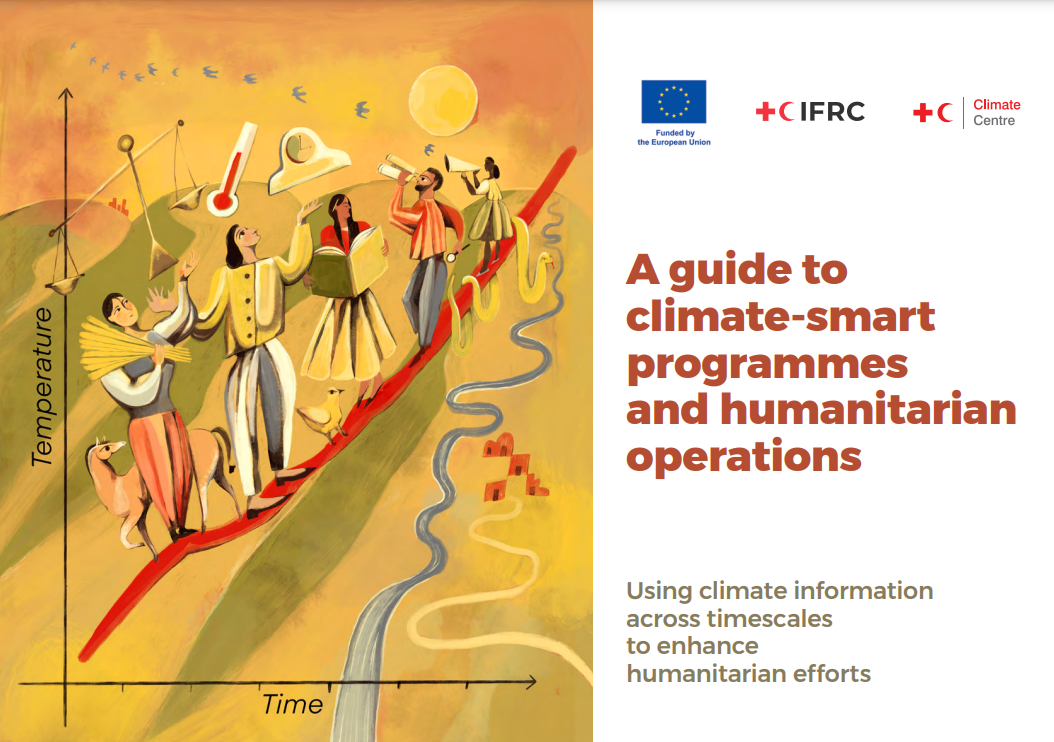
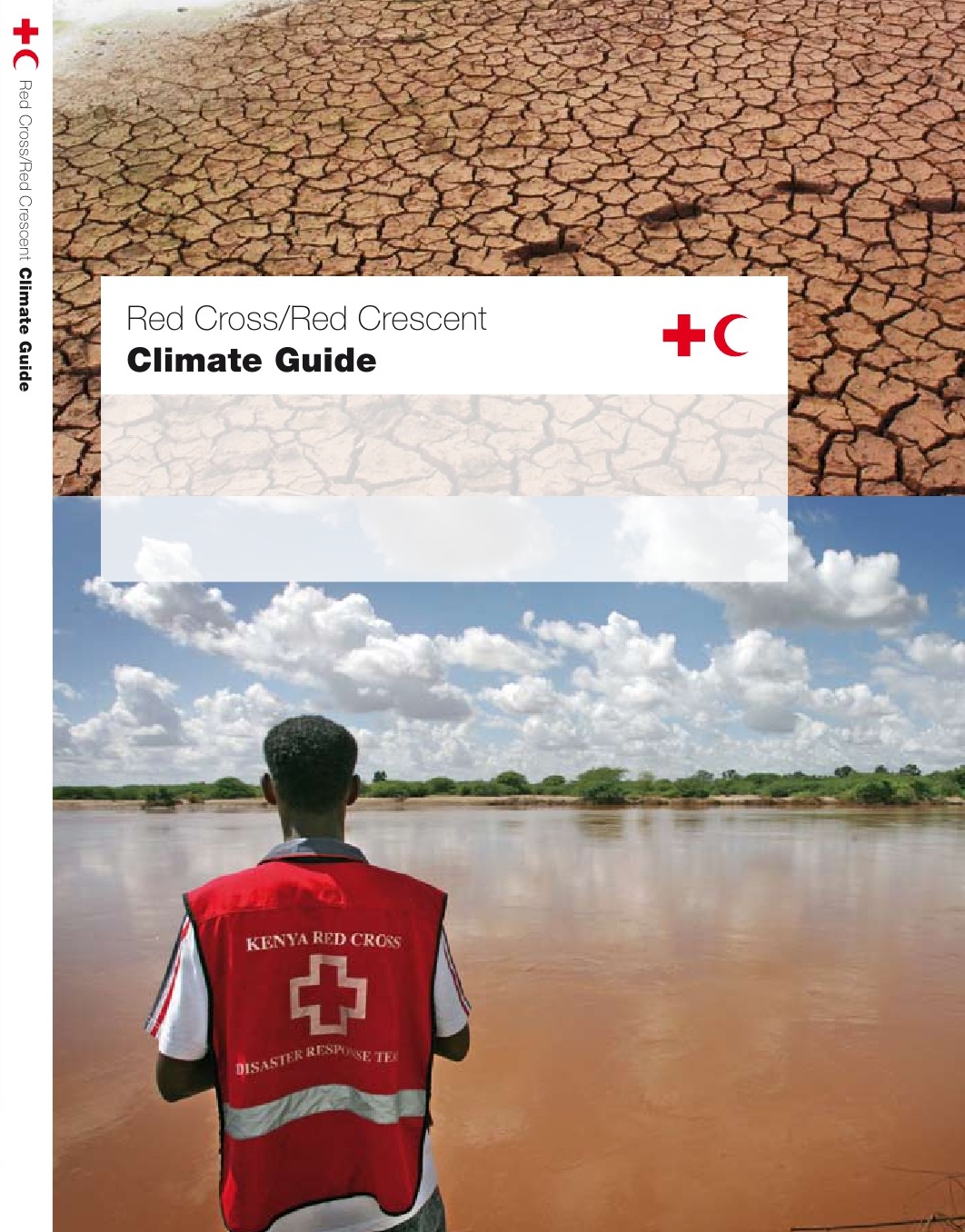
Red Cross Red Crescent Climate Guide

November 20 2007
by The Red Cross/Red Crescent Climate Centre

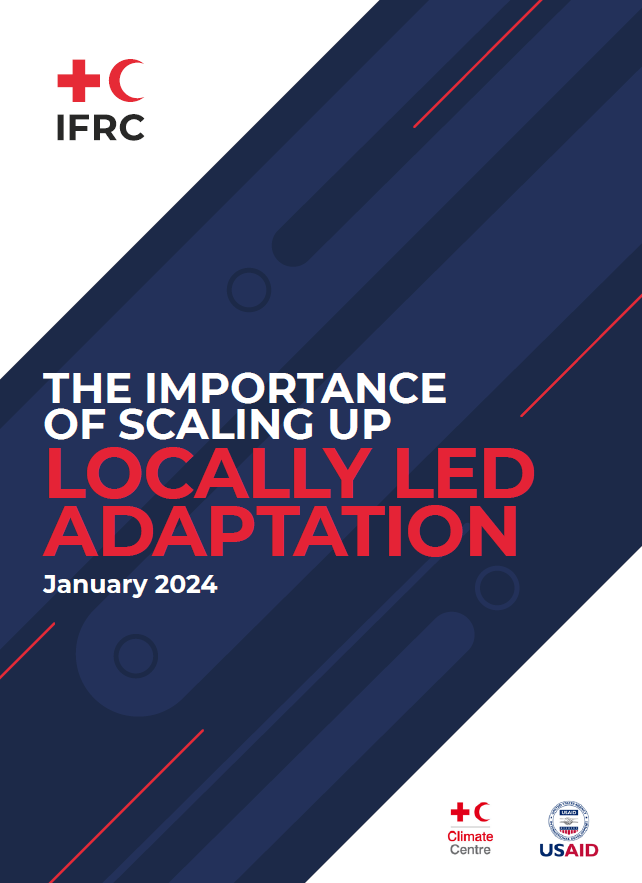
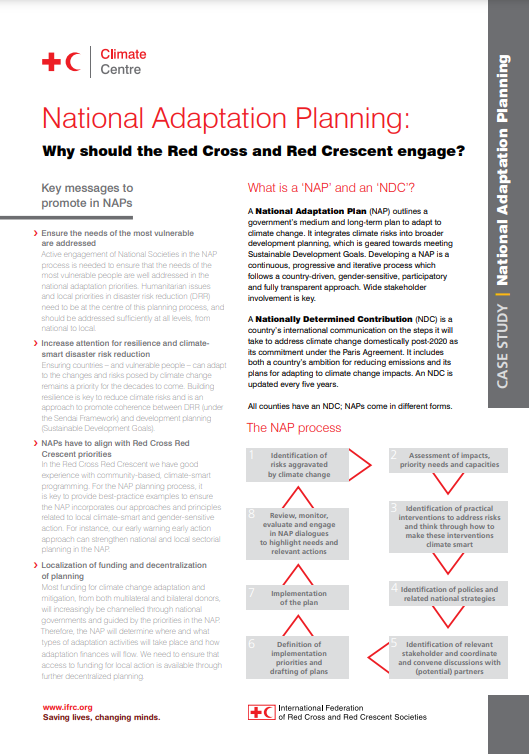
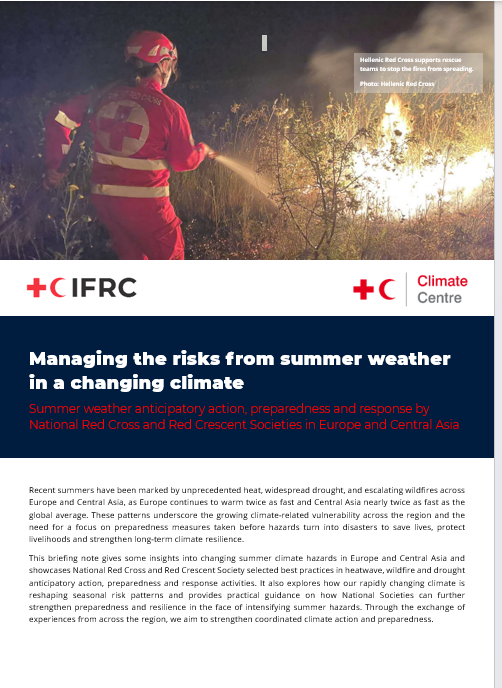
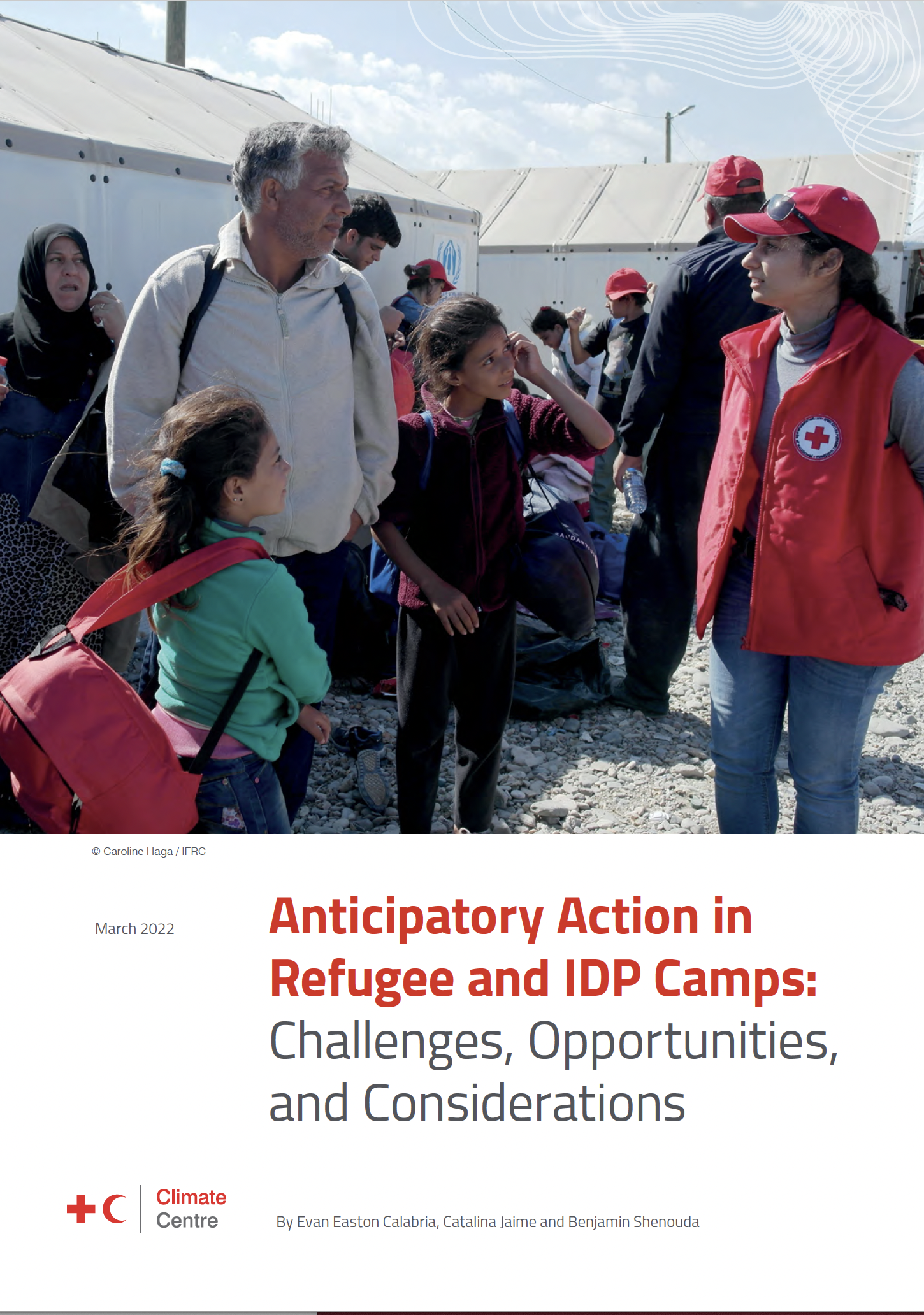
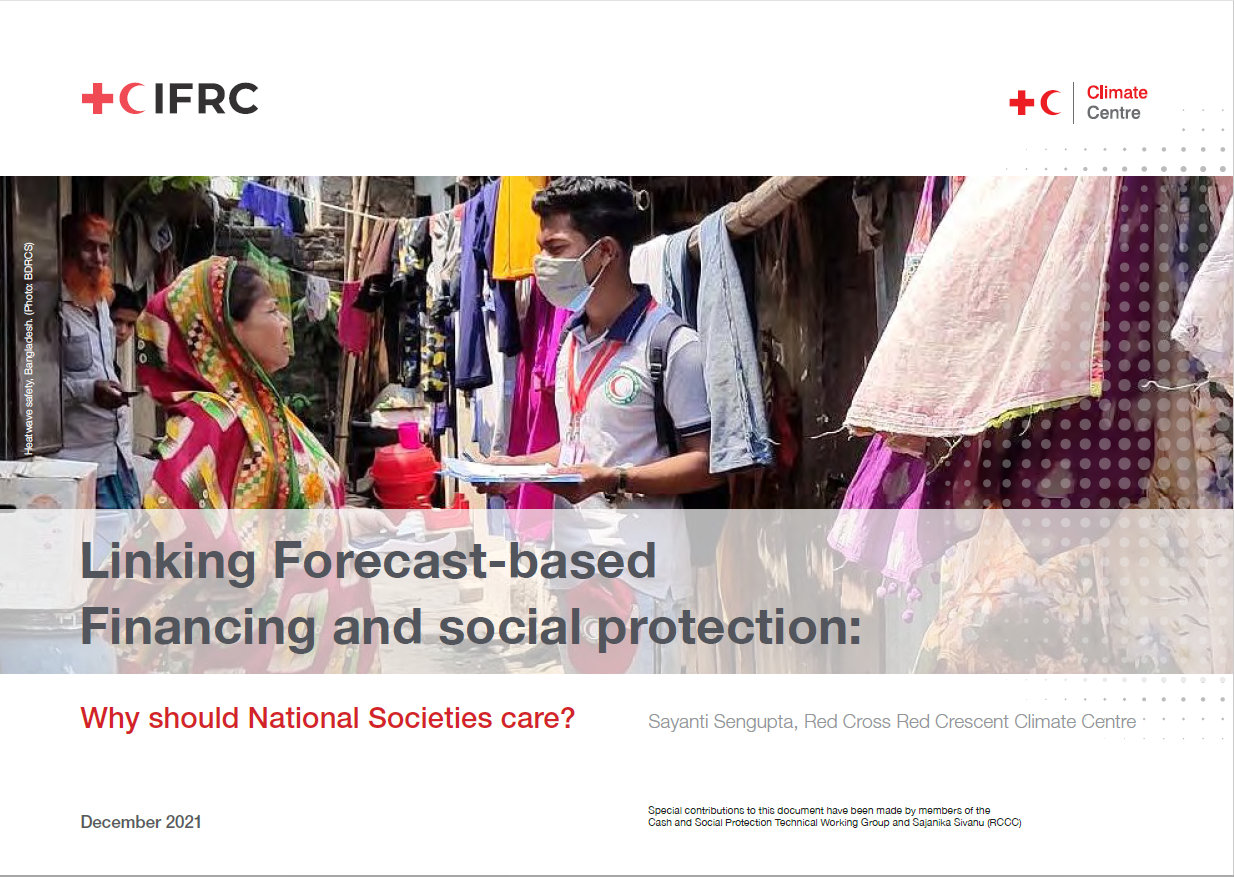
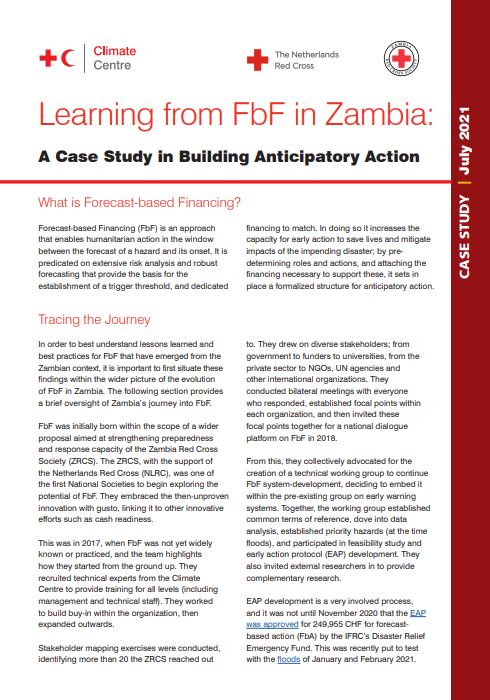
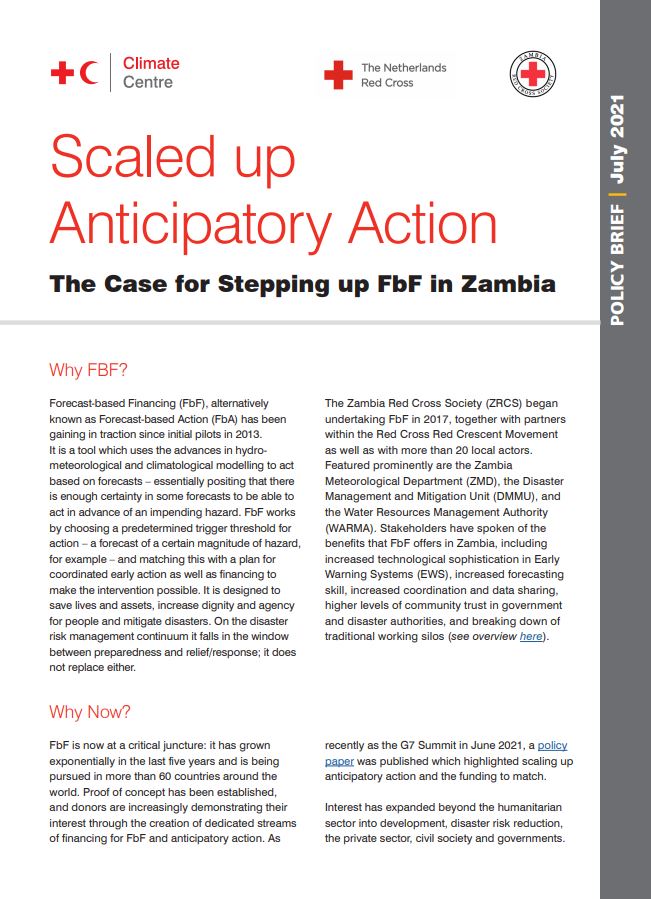
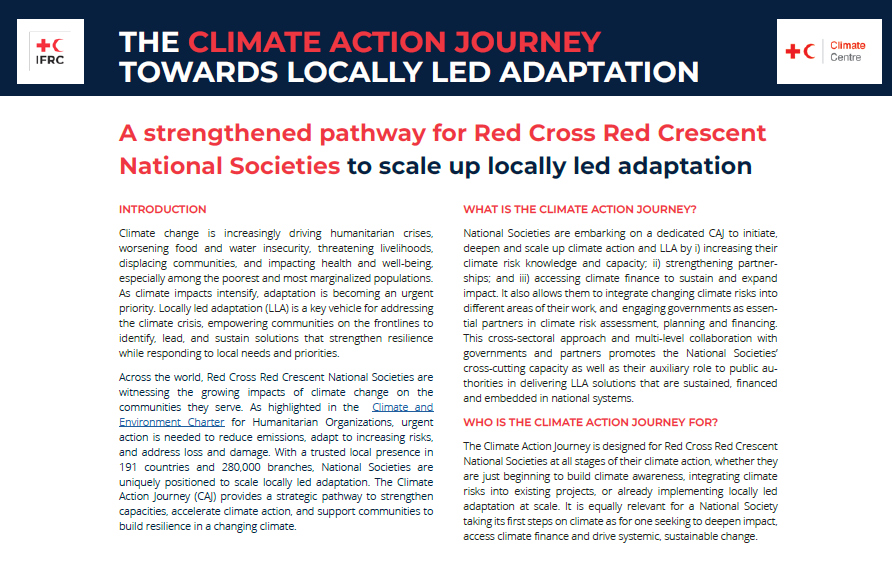
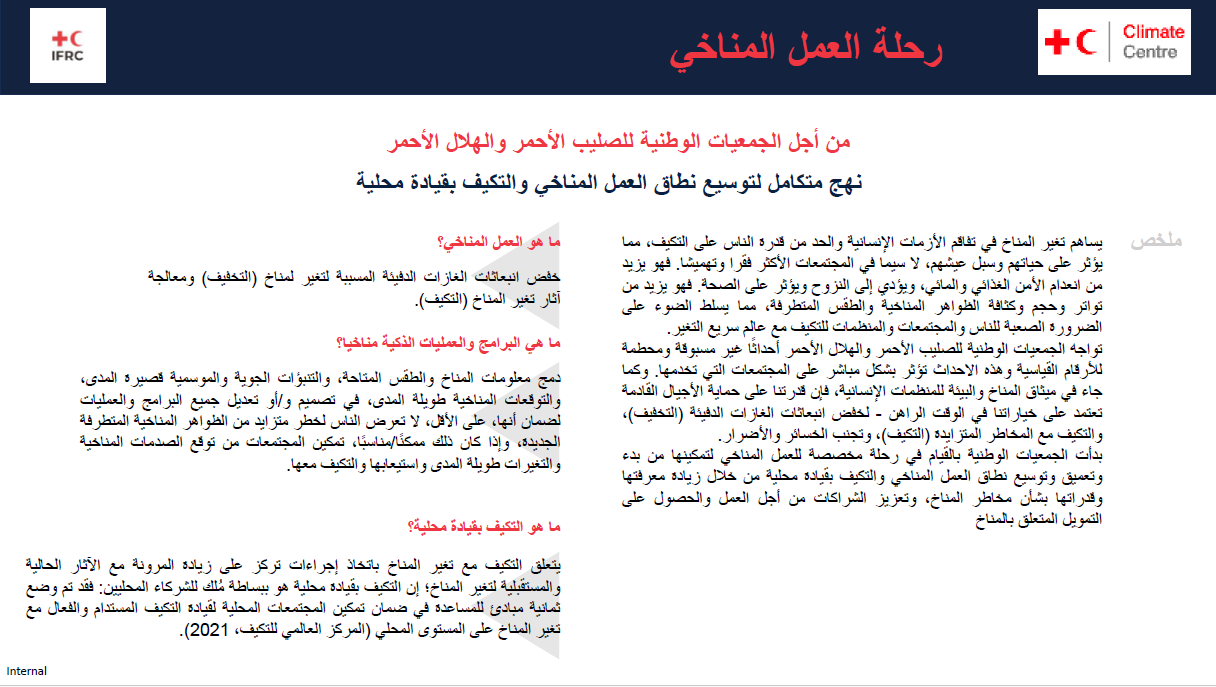
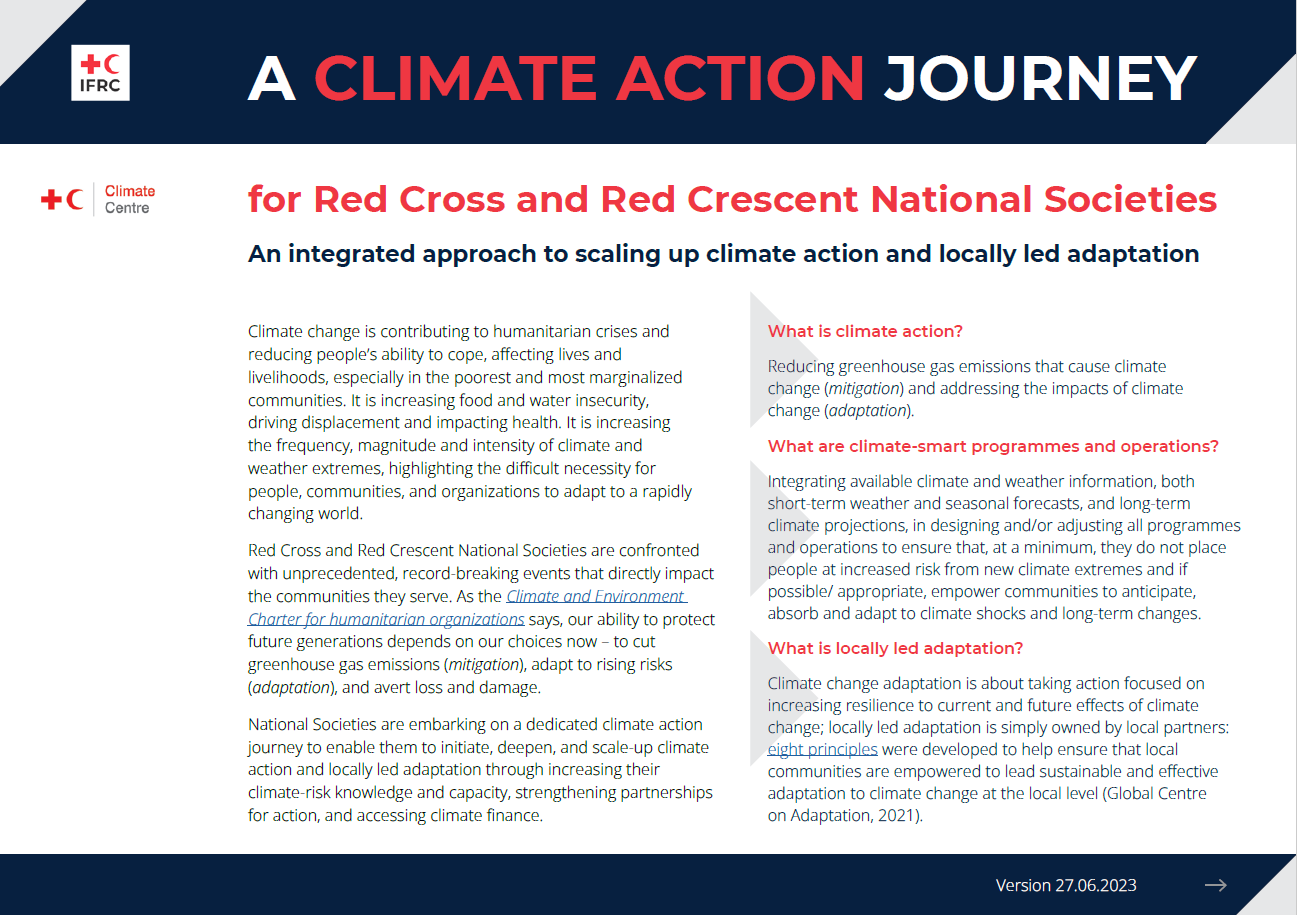
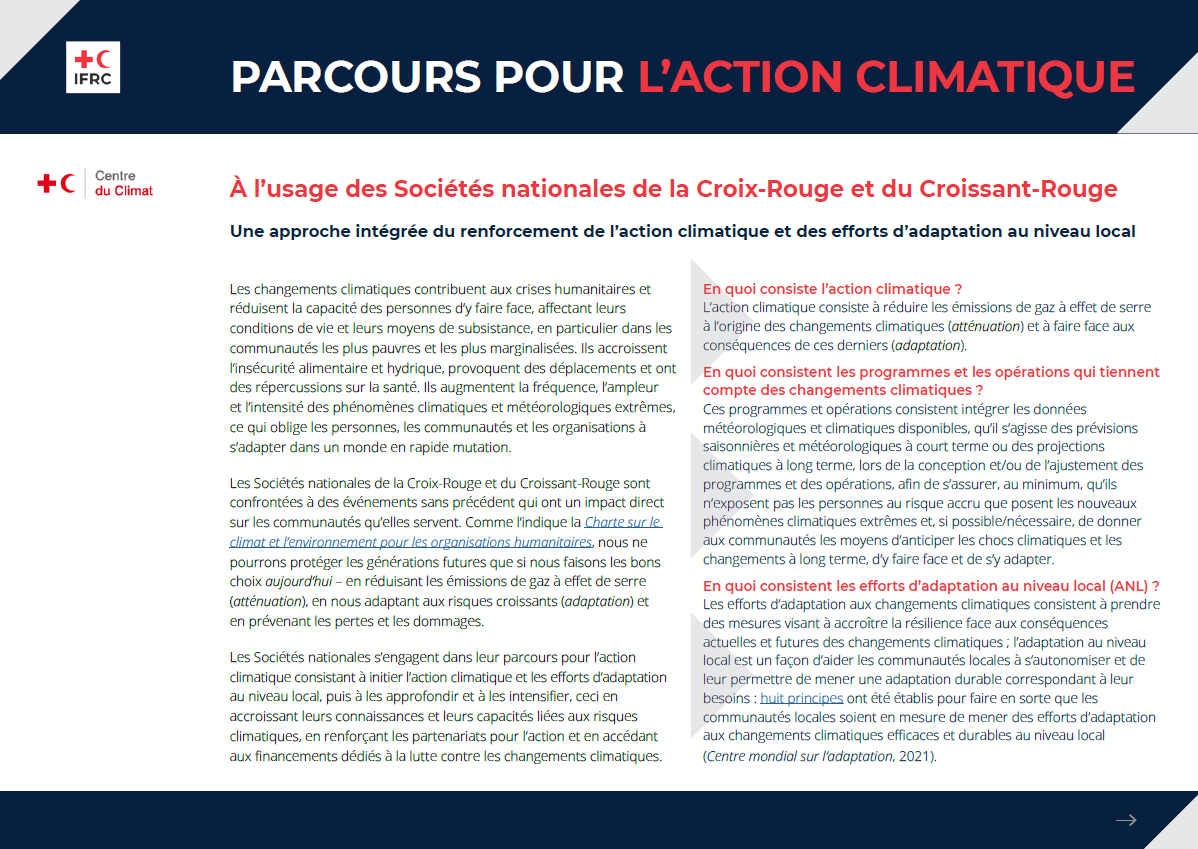
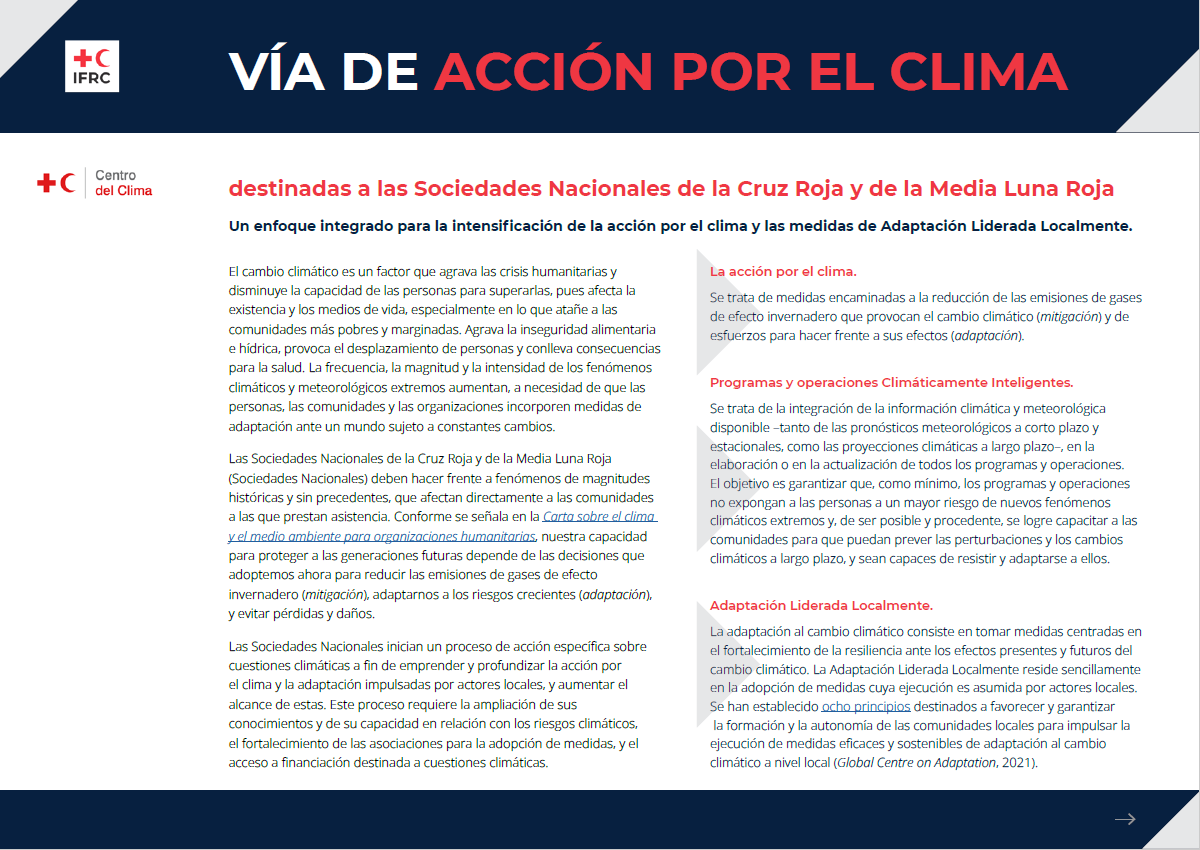
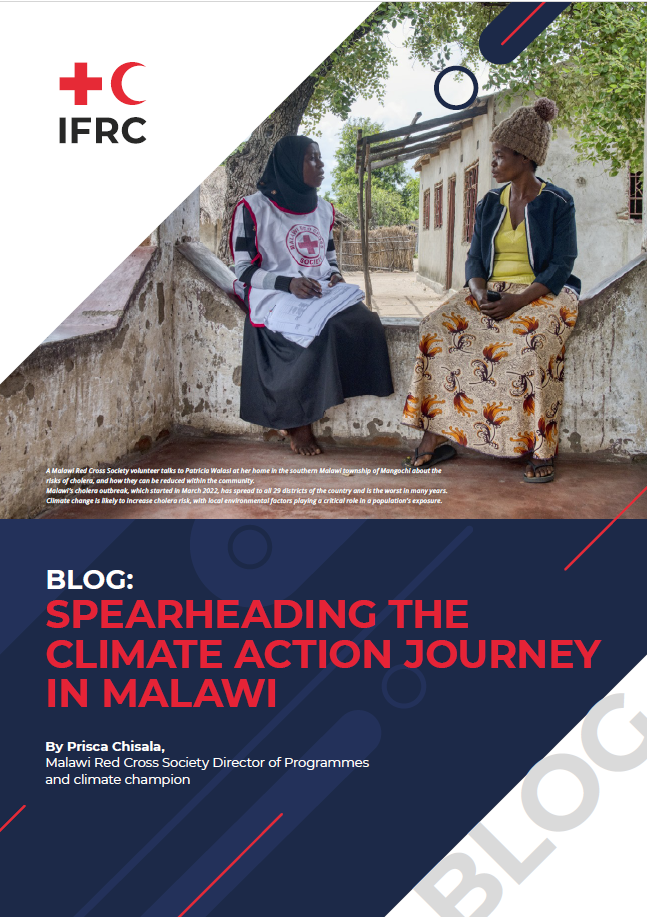
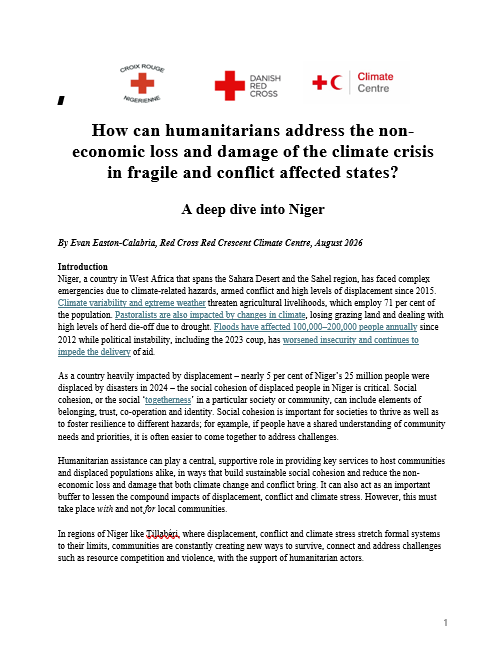
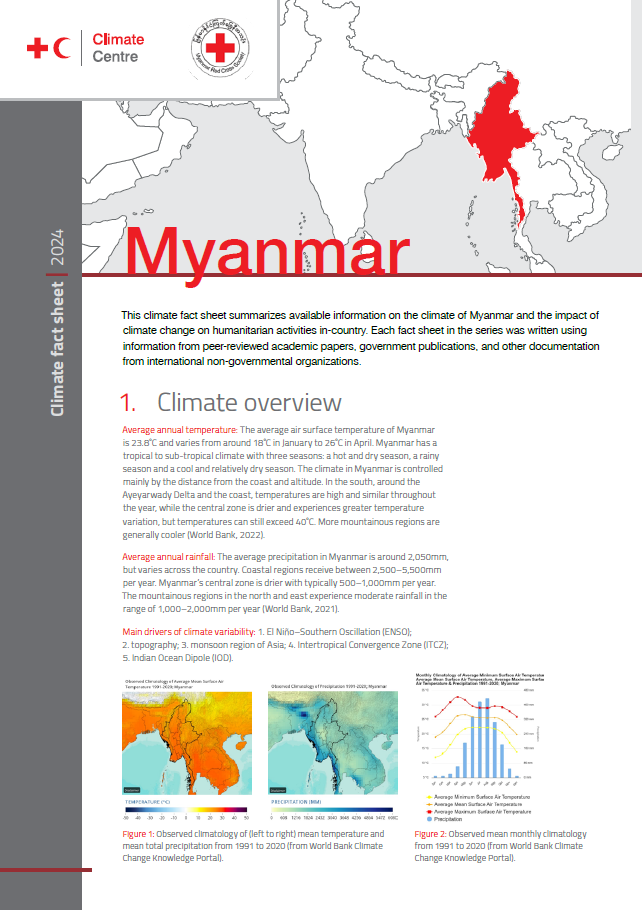
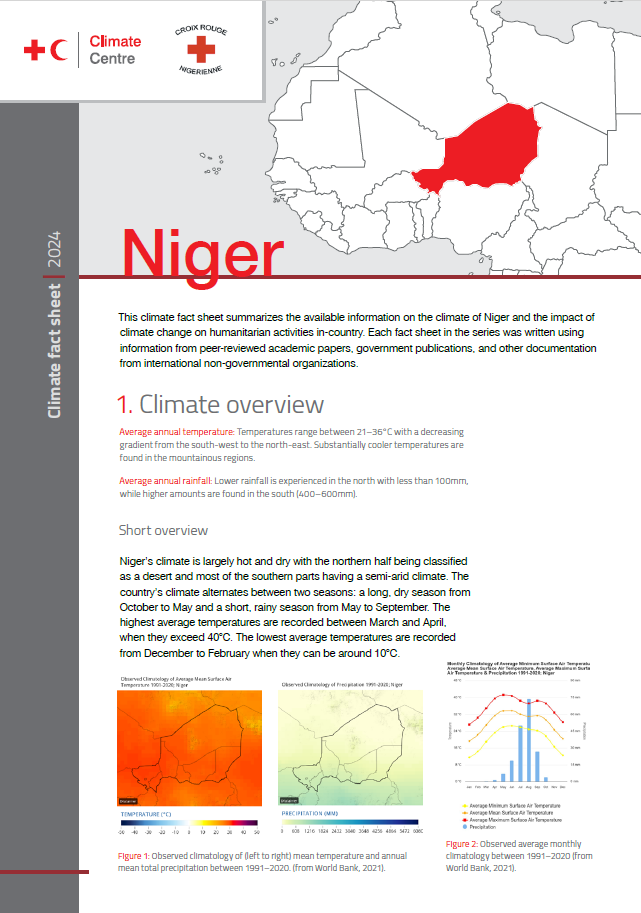
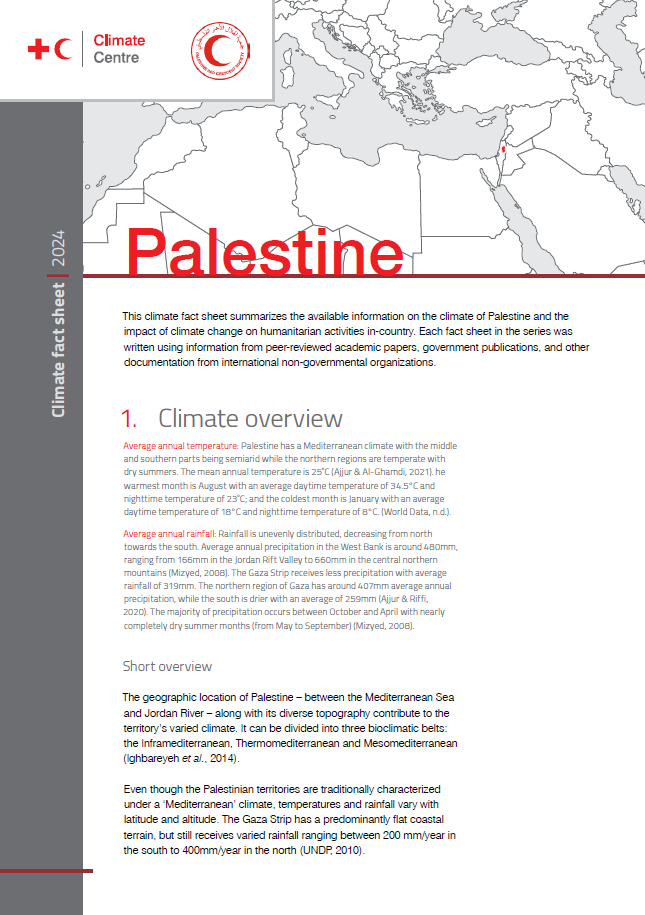
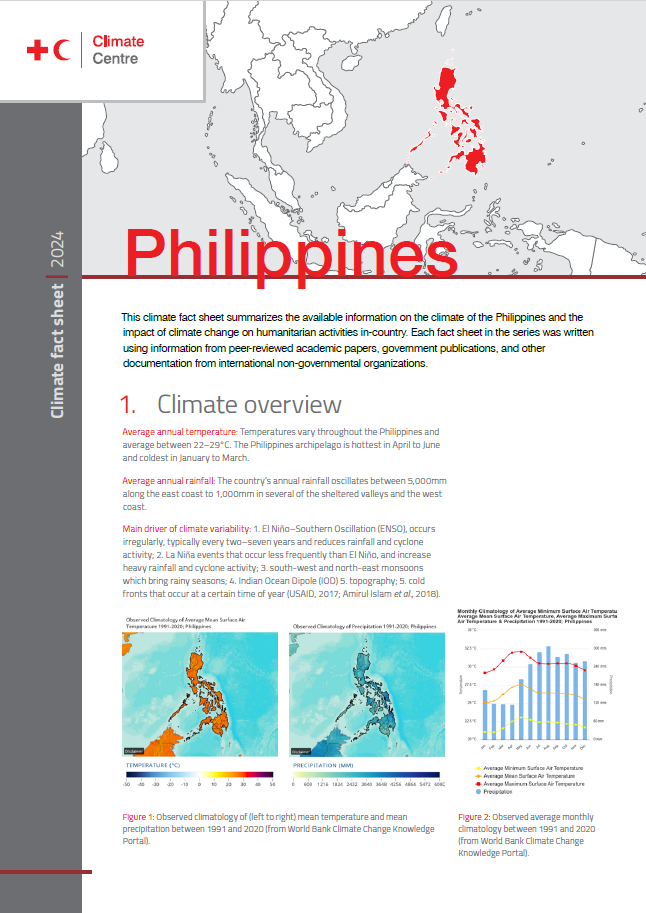
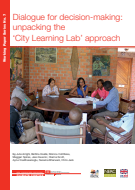
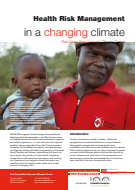
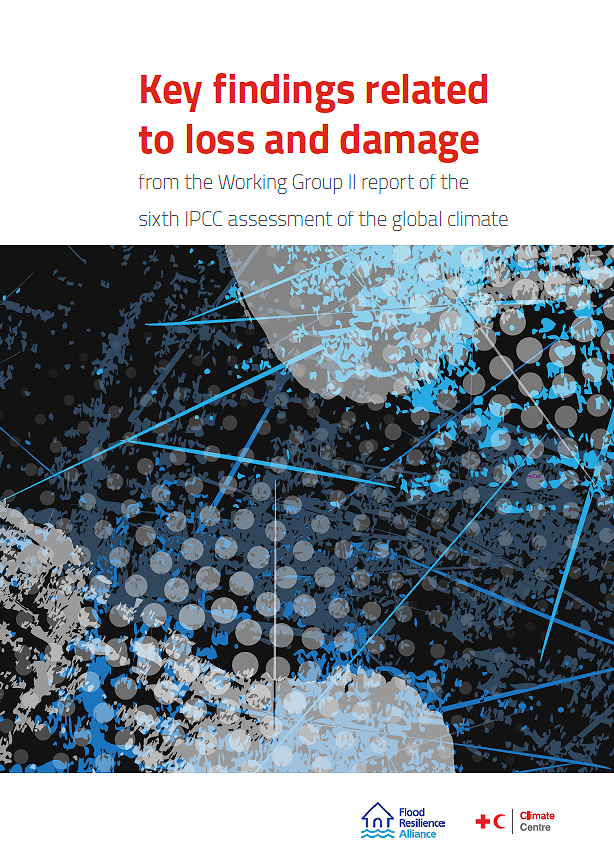
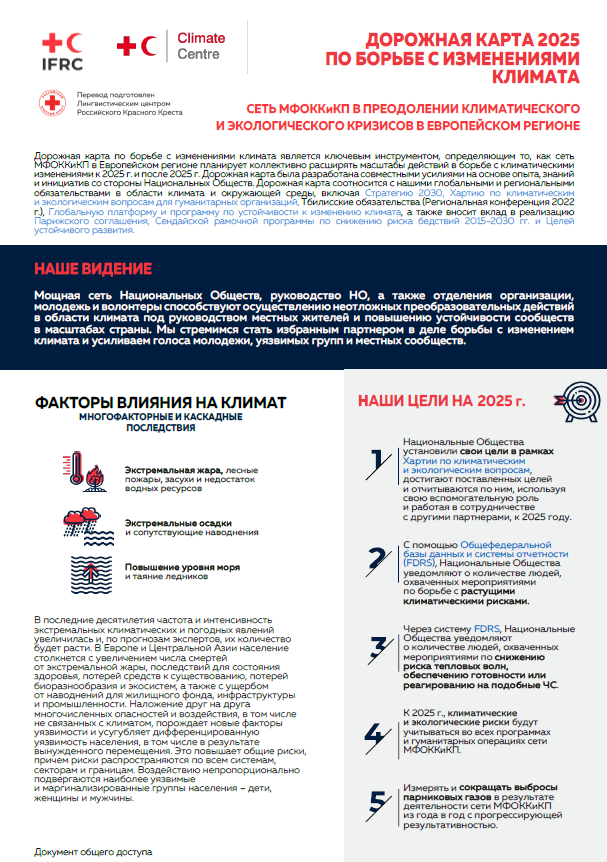
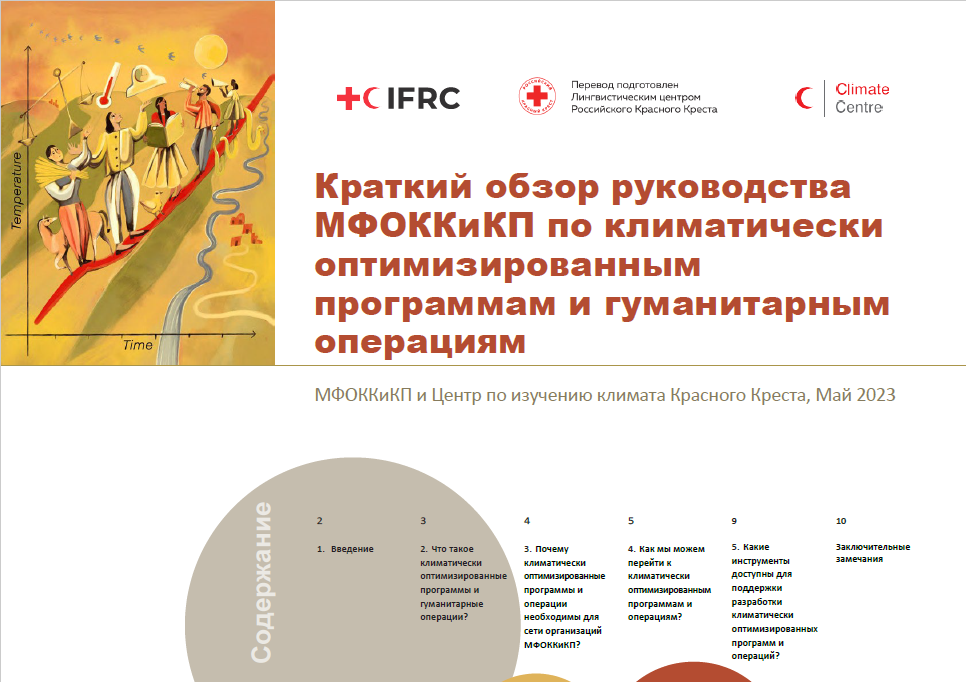
The Red Cross/Red Crescent Climate Guide presents five years of experiences from more than thirty national Red Cross and Red Crescent societies, in particular in developing countries. It relates the experiences of Red Cross and Red Crescent staff and volunteers all around the world trying to understand and address the risks of climate change.

The guide begins with the basics about climate change: the scientific consensus, the humanitarian consequences, and the general implications for the Red Cross and Red Crescent. This is followed by six thematic modules: Getting started, Dialogues, Communications, Disaster management, Community-based disaster risk reduction and Health. Each module begins with a background section with real-life Red Cross and Red Crescent experiences and perspectives, followed by a 'how-to' section with specific step-by-step guidance.
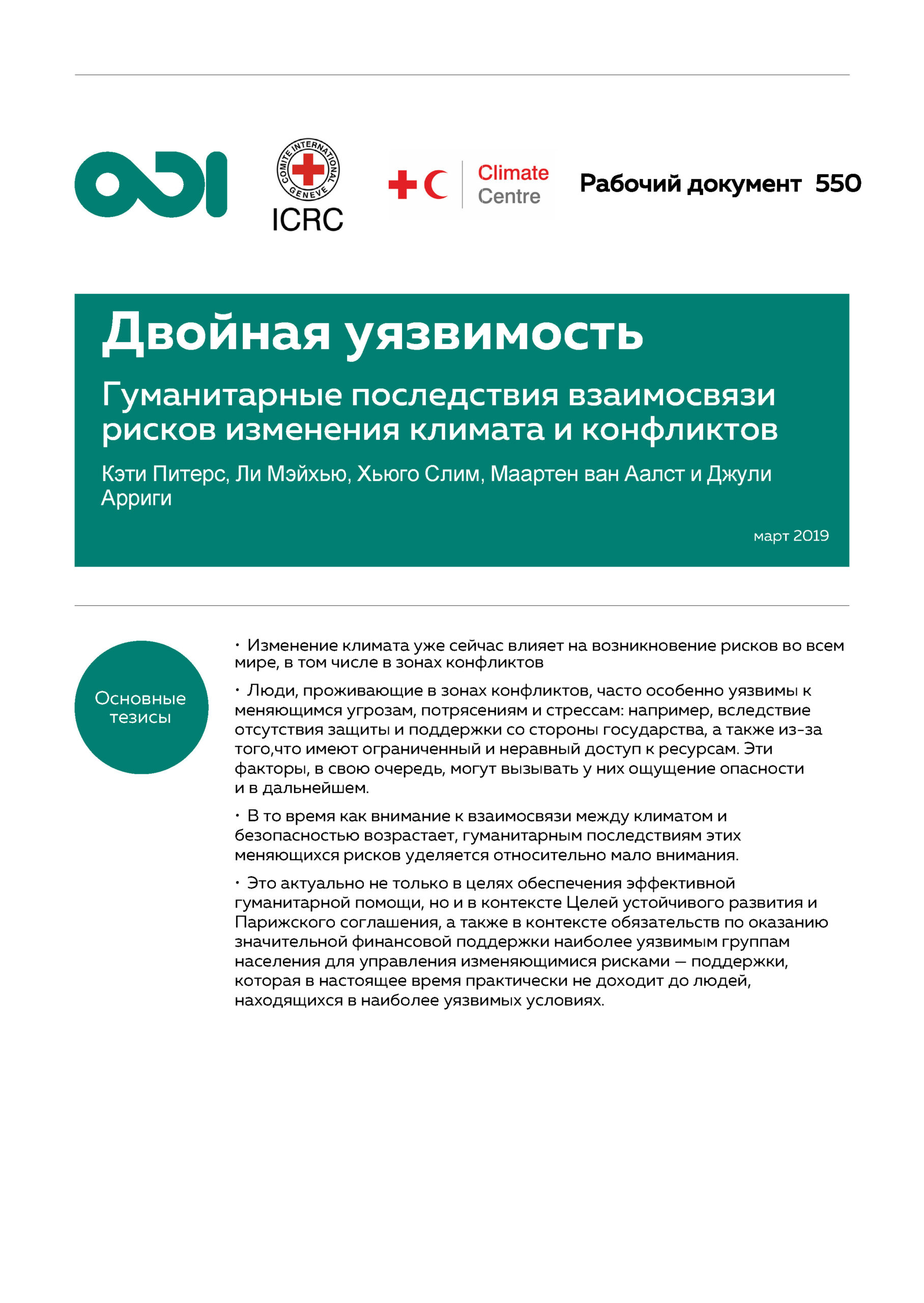
The 140-page guide is available in English file (pdf, 5 MB), French, Arabic file (pdf, 4 MB), Spanish and Russian file (pdf, 14 MB).

To download the English version in separate sections:


Main topics:

 Disaster Management - photo: Cristina Estrada, IFRC

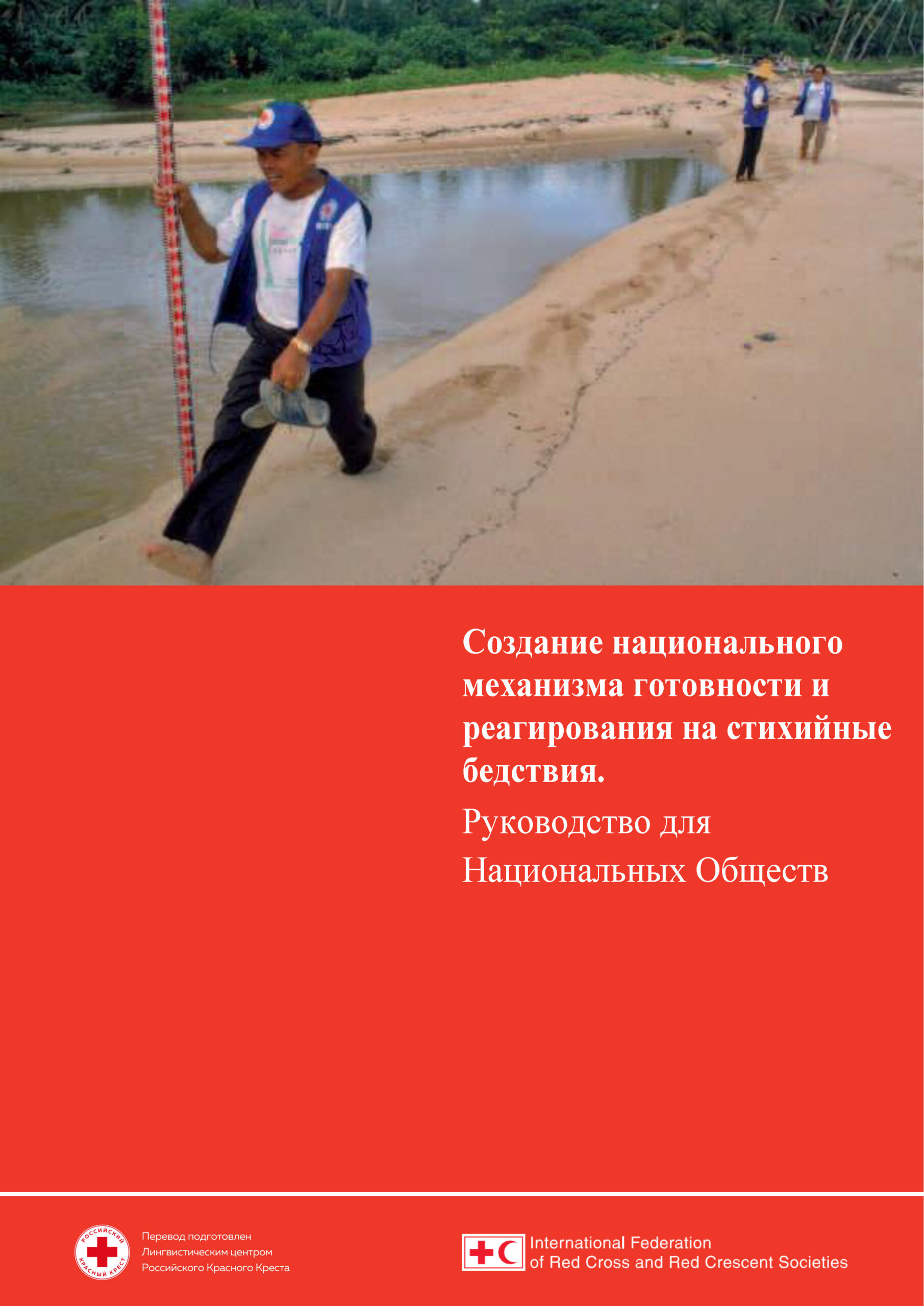
Disaster Management

Climate change can act as a catalyst for enhanced disaster management.

Health and Care - photo: John Haskew, IFRC

Health and Care

Many national Red Cross and Red Crescent societies will be touched by the health implications of climate change.

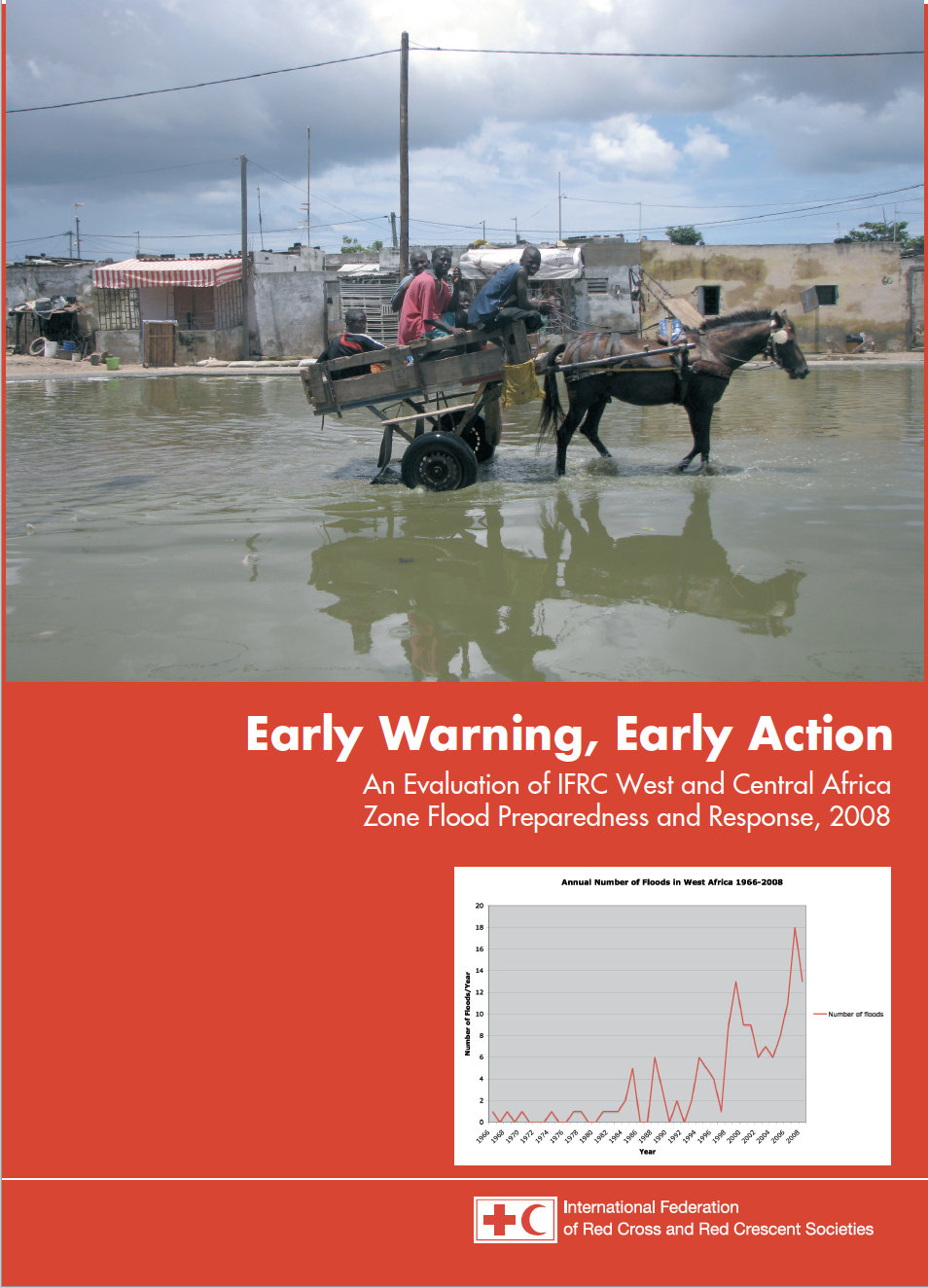
Early warning early action - photo: Yoshi Shimizu, IFRC
Early warning early action

Routinely taking humanitarian action before a disaster or health emergency happens, making full use of scientific information on all timescales.    
Advocacy - photo: Alex Wynter, IFRC

Advocacy

The Red Cross and Red Crescent never works in isolation. Partnerships are more important than ever in the context of global warming.

Communications - photo: Shehab Uddin, British Red Cross

Communications

The global climate is changing and the past no longer explains the present.

Community risk reduction - photo: Obed Wewo, PMI
Community risk reduction
The Red Cross and Red Crescent has traditionally focused on response. But now other aspects, including risk reduction, are also given priority.

Youth - photo: Janot Reine

Youth

Red Cross Red Crescent youth take action to reduce the impacts of climate change. 
Getting started - photo: Marko Kokic, IFRC

Getting started

The Red Cross Red Crescent has a growing body of experience working on addressing climate change. Here’s how to use it to get started. 
View the worldmap

Take a look at Red Cross Red Crescent climate change activities on the worldmap
Share this

IRI helpdesk


Climate Guide

Contains the experiences of over thirty national Red Cross and Red Crescent societies. Read more 

Early Warning, Early Action

News & background information 

Entry points for considering climate change in National Society programmes

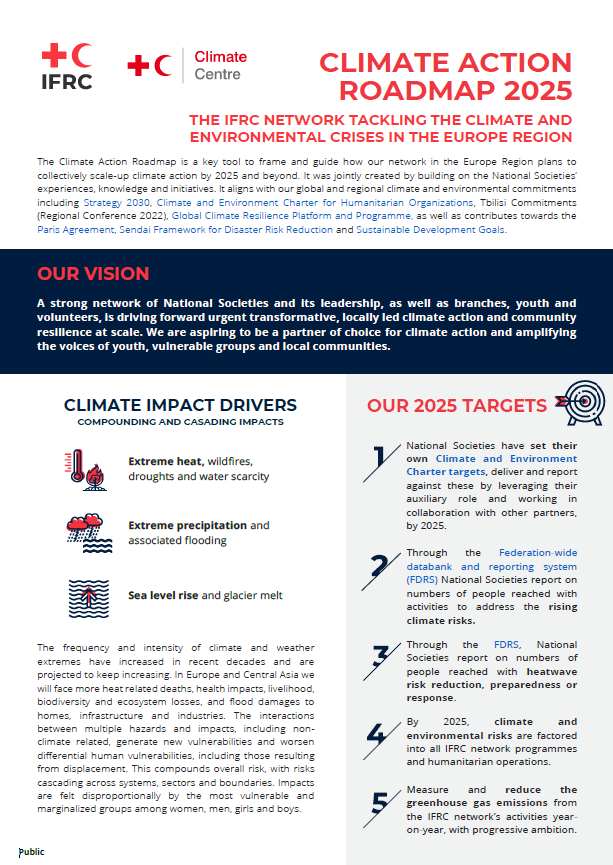
List of things National Societies who want to be 'climate-smart' could be considering

UNFCCC climate change negotiations

News & background information  

Tool kit for young humanitarians

Download the Climate Centre's Youth Climate Kit.

Imprint | ClimateCentre.org © 2011 | Blue Chili Creative

Sharepoint login